Reference library / 22 chapters
Go deeper into Industrial Electrician.
Find the decision, system or project you are working through.
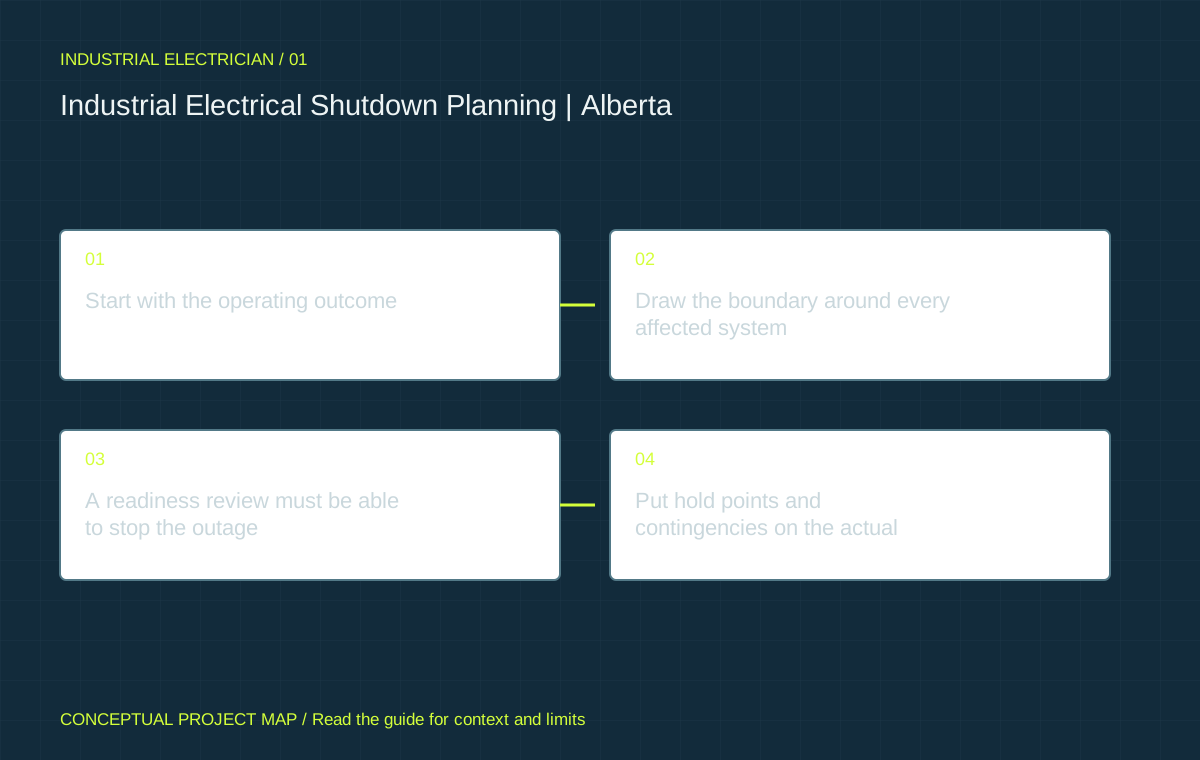
A shutdown is a production project
Build an industrial electrical shutdown scope: isolation boundaries, materials, utility coordination, commissioning, restart gates and fallback decisions.
02 / Motors & controls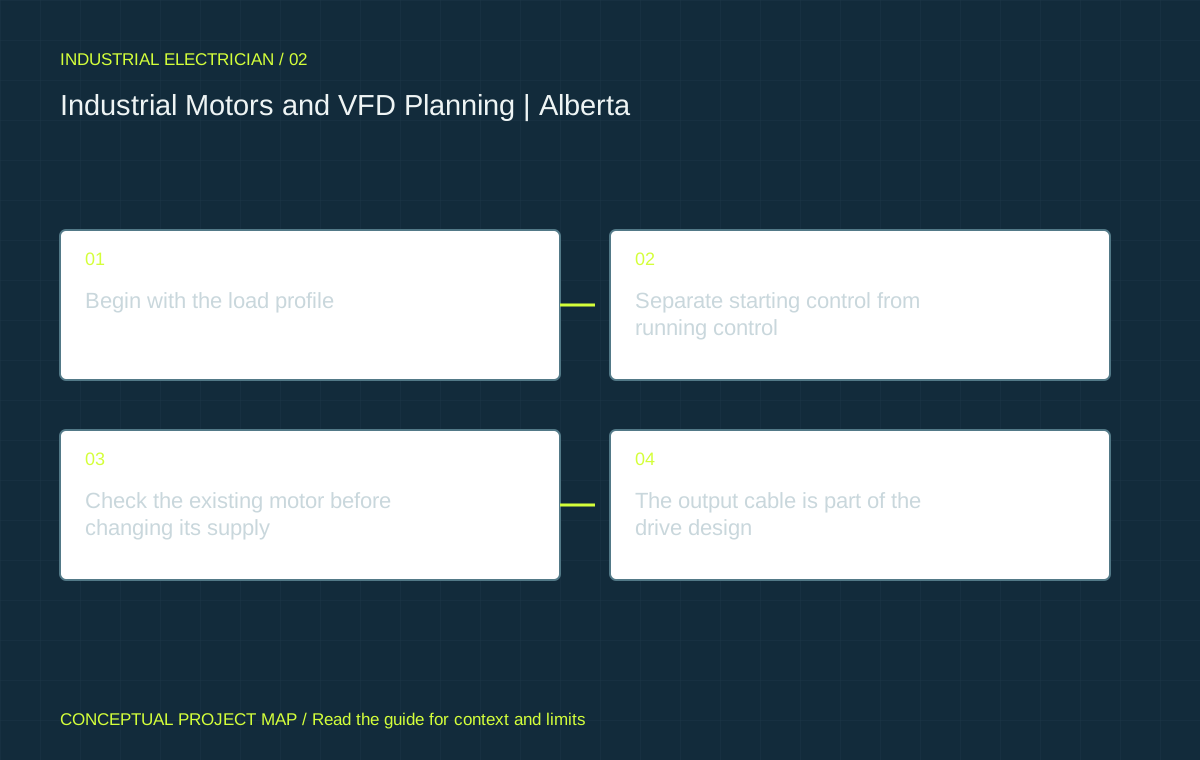
Choose the drive around the process
Compare motor starters, soft starters and VFDs using process duty, motor compatibility, cable route, harmonics, cooling and commissioning requirements.
03 / Keep production moving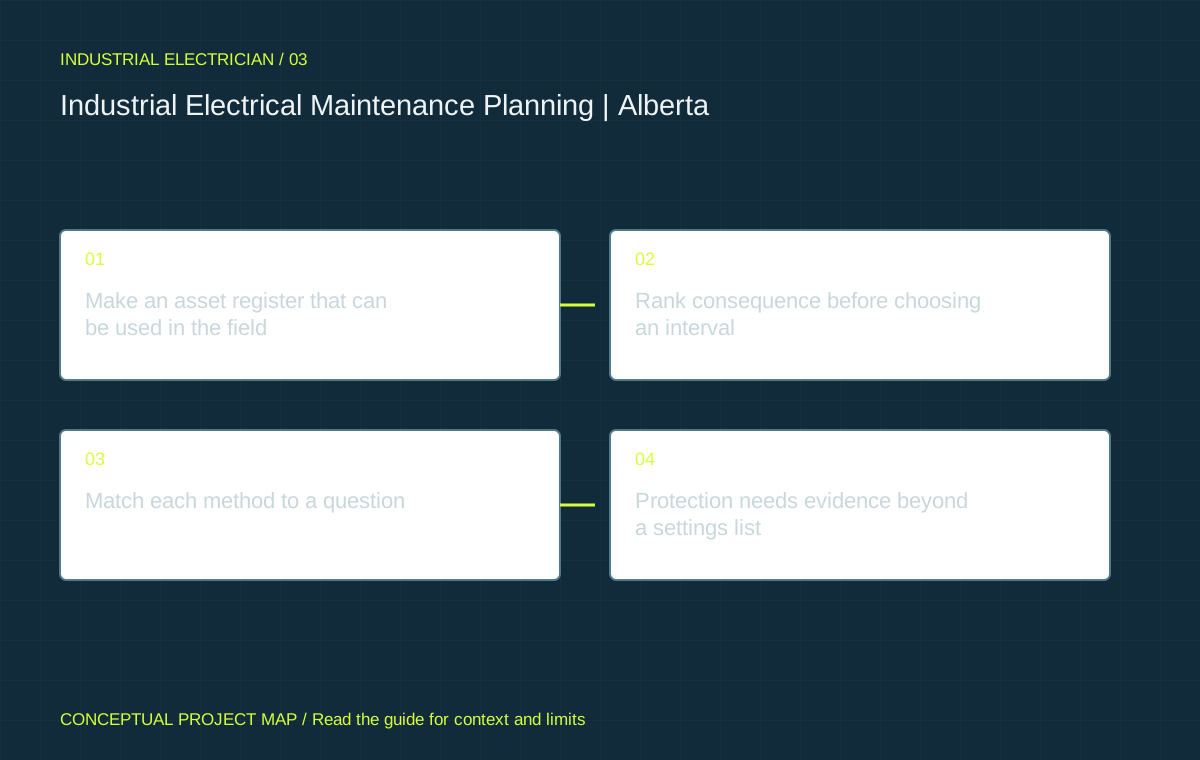
Maintain the failure path, not just the cabinet
Build an industrial electrical maintenance programme around asset condition, consequence, protective devices, thermography, records and planned outages.
04 / Plan the project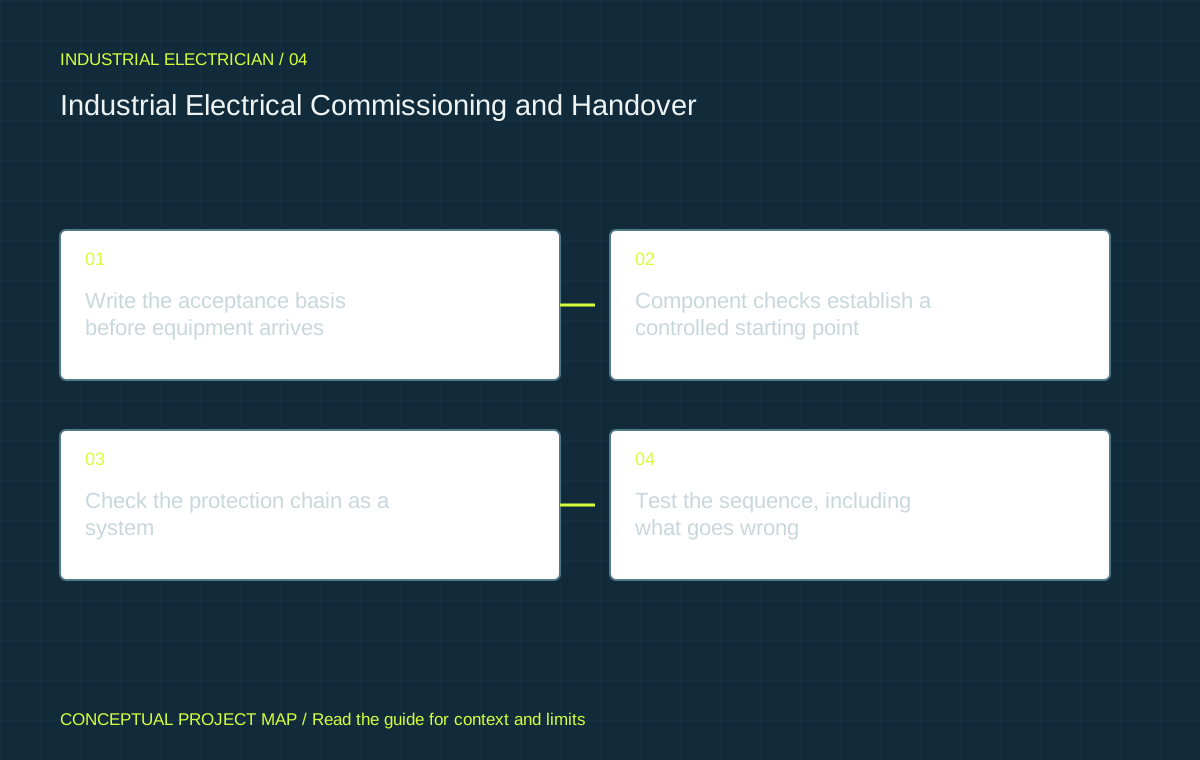
Prove the system, then hand it over
Define industrial electrical commissioning: acceptance criteria, inspections, protection, controls, process tests, punch lists and operating handover.
05 / Plant power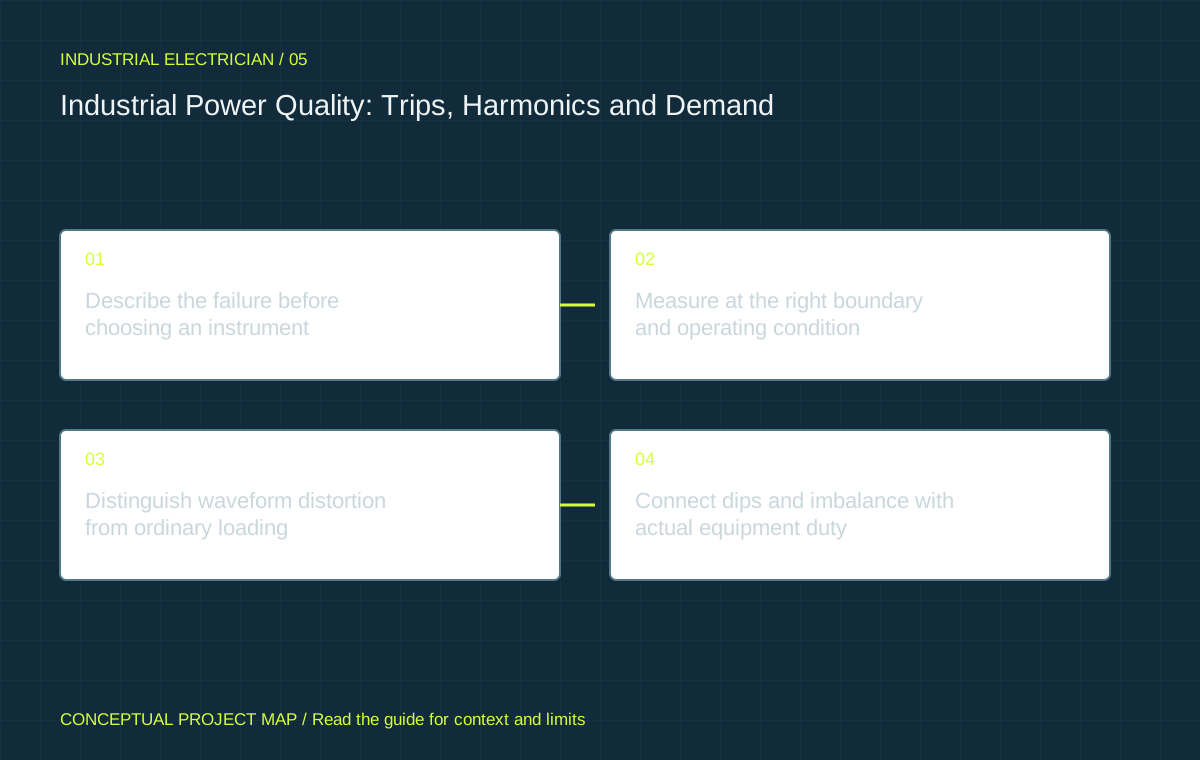
Find the electrical event behind the process fault
Investigate industrial voltage dips, harmonics, phase imbalance and power factor with a measured baseline and coordinated process event records.
06 / Risk & approvals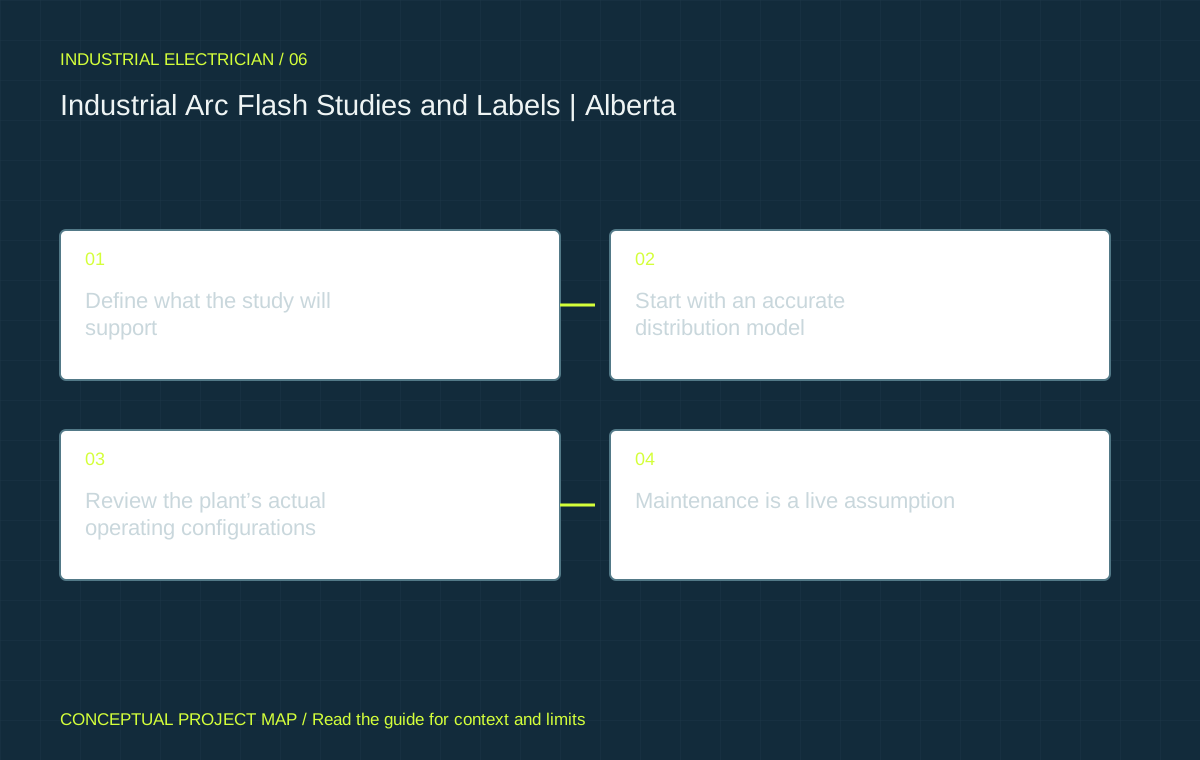
An arc flash label needs a system behind it
Understand industrial arc flash study scope, single-line data, protection assumptions, equipment labels, maintenance and change-management records.
07 / Risk & approvals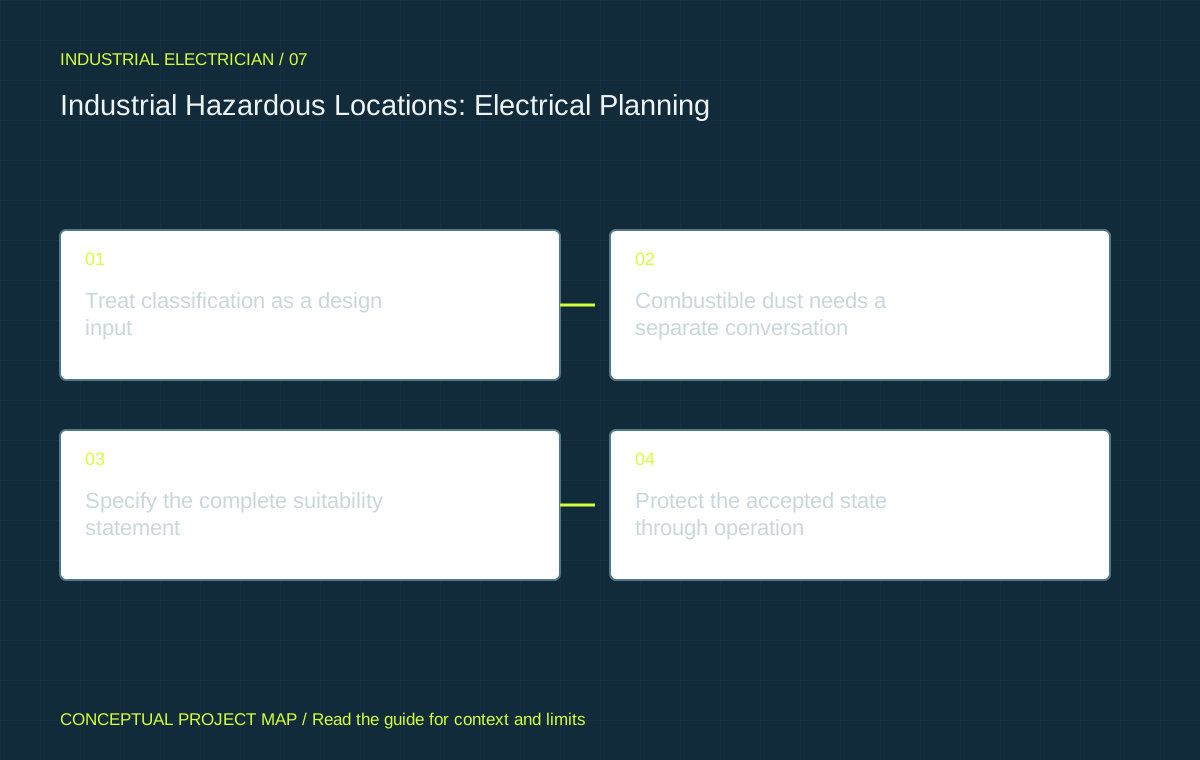
Classify the environment before buying equipment
Plan electrical work around industrial gases, vapours and combustible dust: classification inputs, approved equipment, drawings and change control.
08 / Risk & approvals
Check approval before the machine ships
Plan Canadian electrical approval for imported machines, custom panels and altered industrial equipment before installation and commissioning.
09 / Plan the project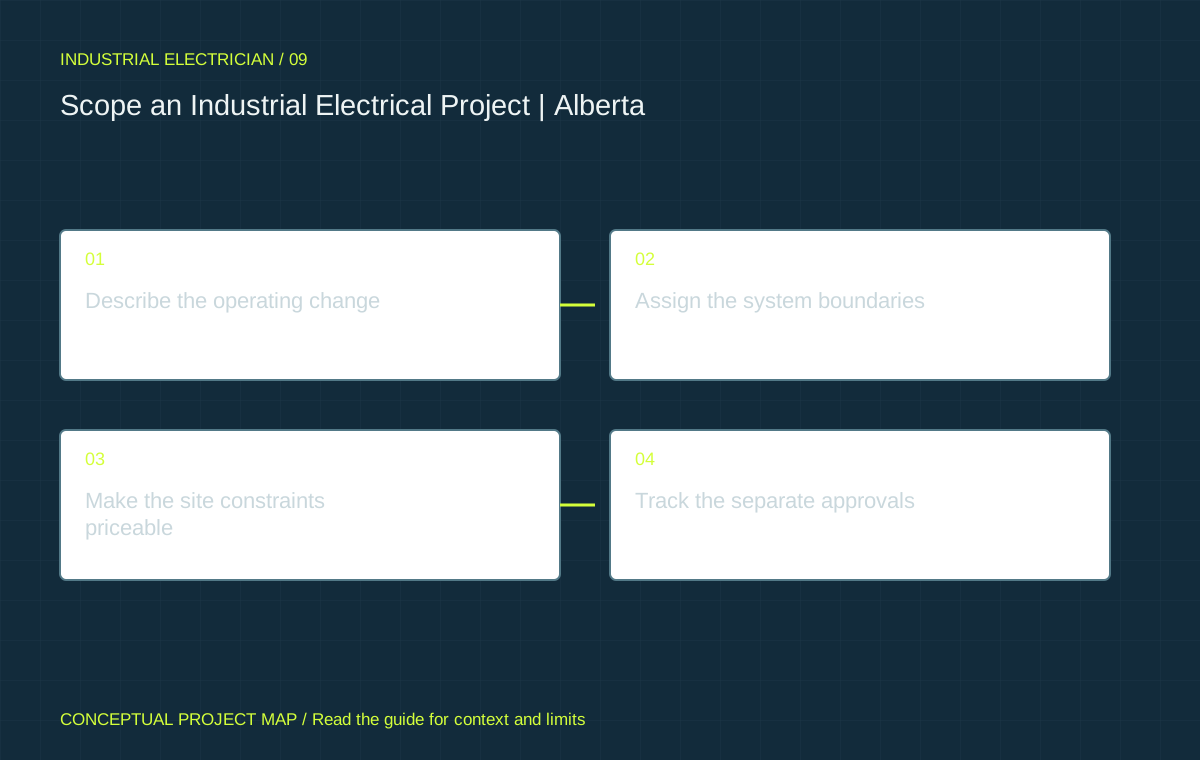
A useful scope closes the gaps between firms
Prepare an industrial electrical scope with equipment duty, supply assumptions, approvals, outage limits, controls interfaces and handover deliverables.
10 / Plant power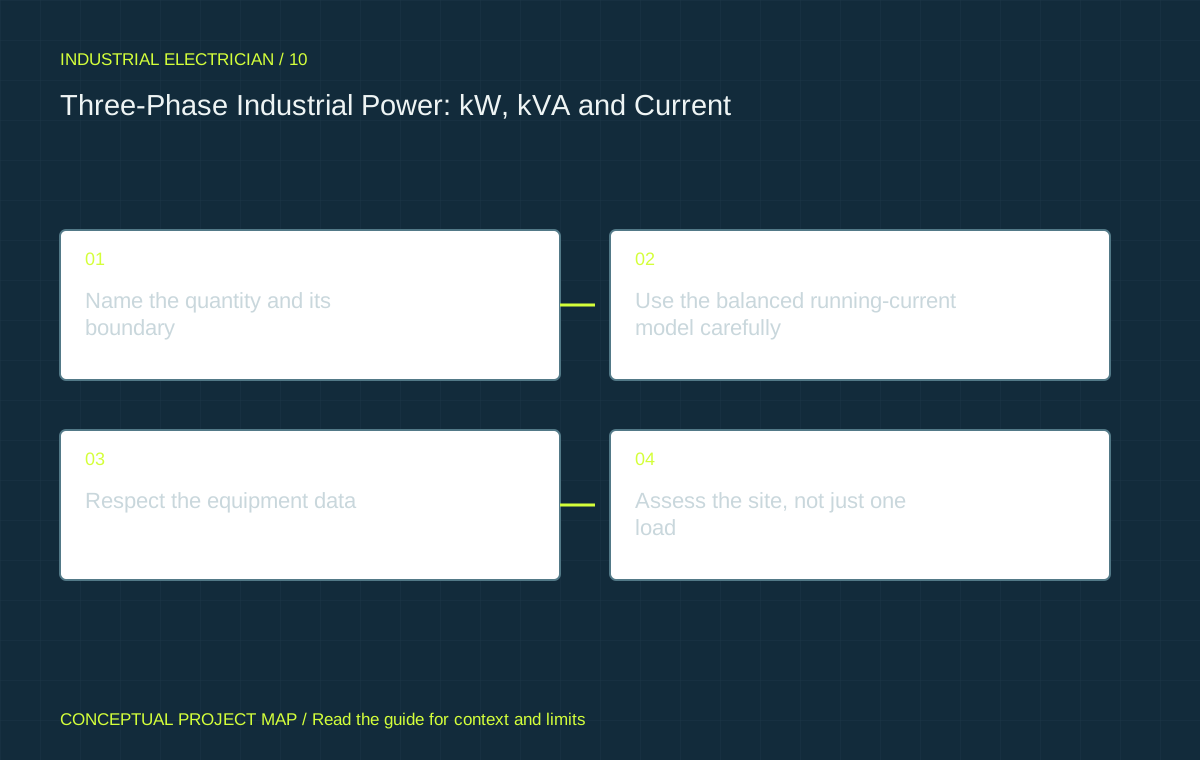
Three different numbers describe the load
Understand three-phase industrial kW, kVA, running current, motor efficiency and power factor without confusing a planning calculation with circuit design.
11 / Plant power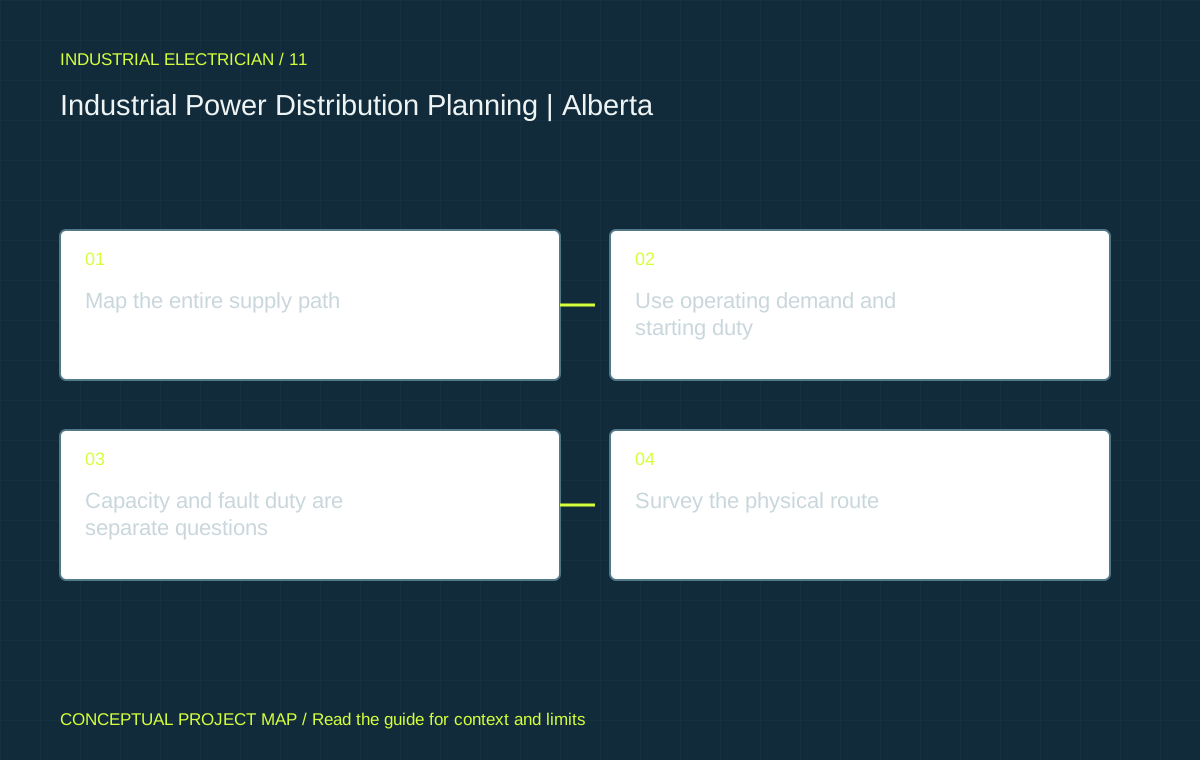
Trace power from the supply to the process
Plan industrial feeders, distribution boards, switchgear and plant expansion using the whole supply path, existing demand and protection requirements.
12 / Plant power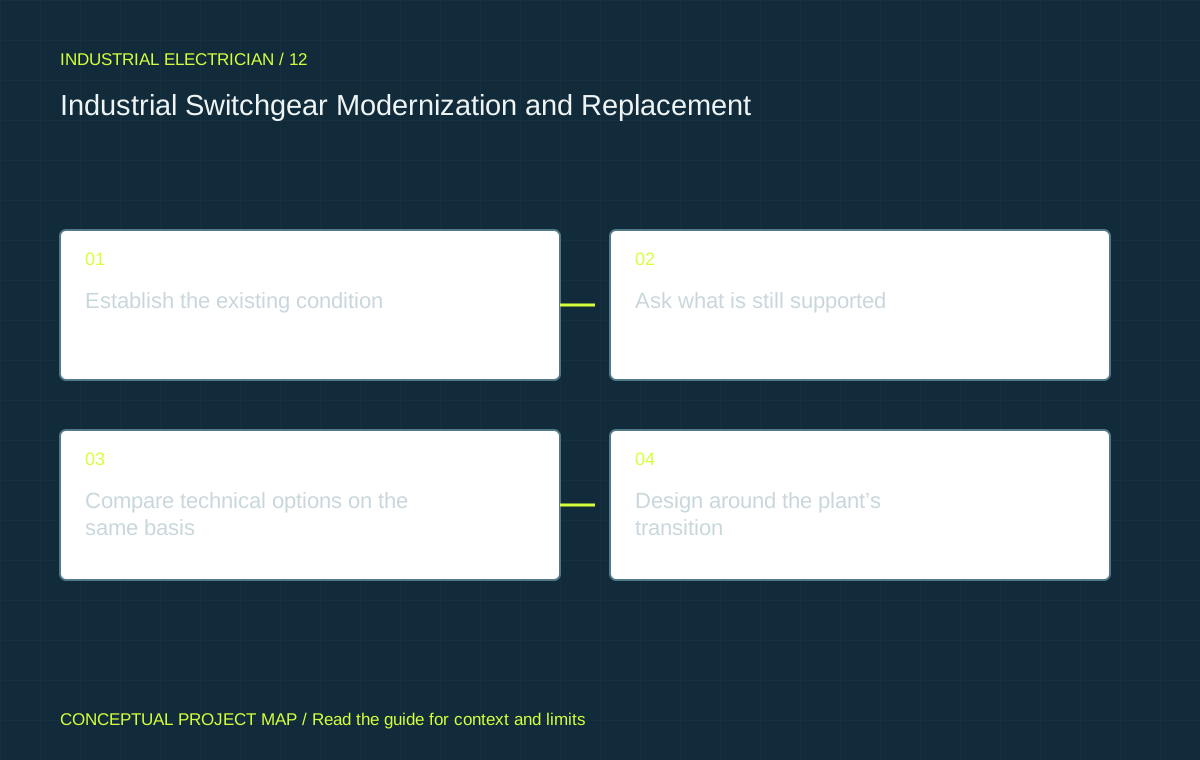
Compare repair, retrofit and replacement
Assess ageing industrial switchgear through condition, support, protection, interfaces, outage constraints and documented replacement options.
13 / Plant power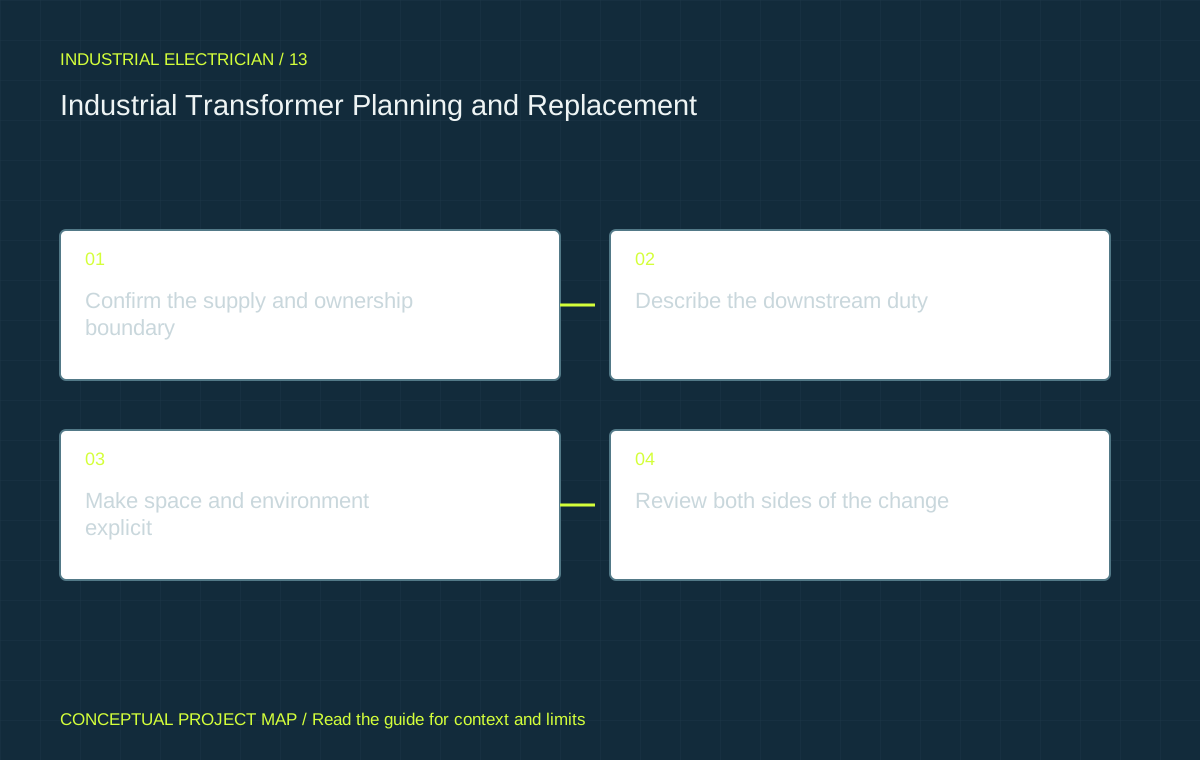
A transformer sits between two systems
Plan industrial transformers using supply configuration, process duty, protection, environment, physical access and replacement commissioning.
14 / Motors & controls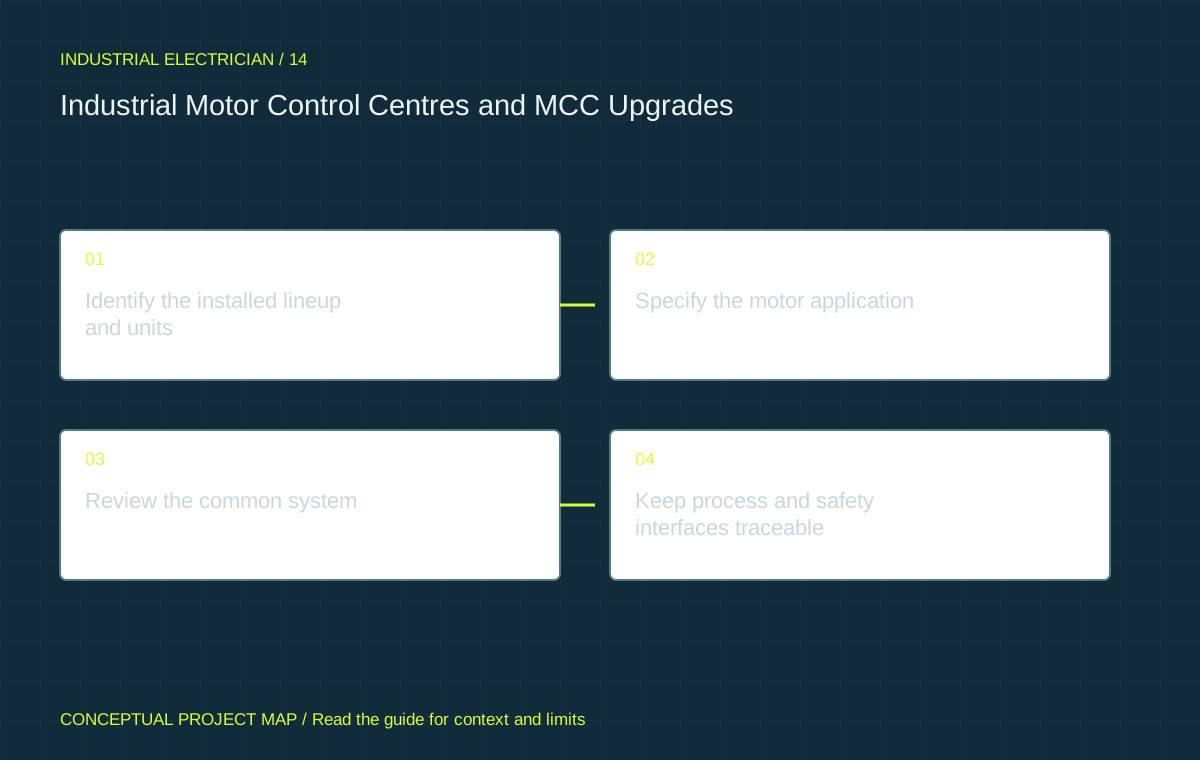
An MCC organises motors and their dependencies
Scope industrial MCC additions, starter and drive upgrades through motor duty, bus and protection, controls interfaces, spares and outage planning.
15 / Motors & controls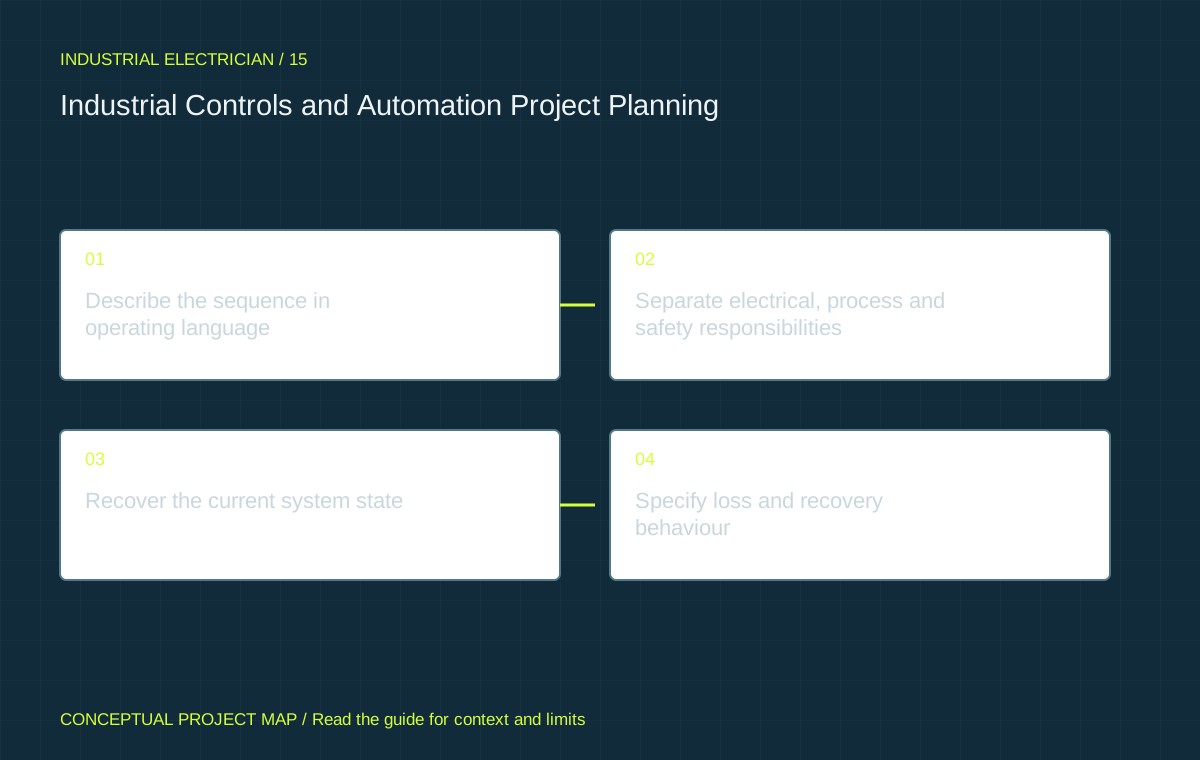
Write the sequence before the software
Plan industrial PLC, HMI and control-panel changes with process intent, modes, interfaces, backups, abnormal behaviour and commissioning evidence.
16 / Motors & controls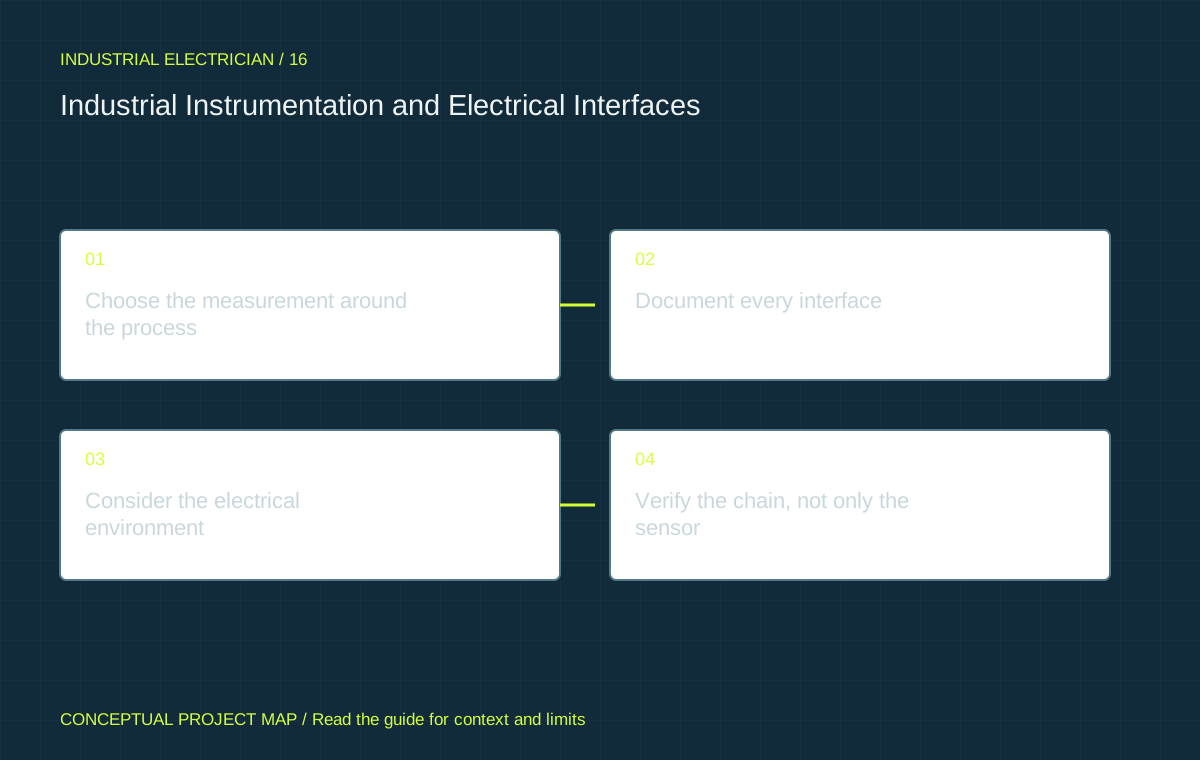
A process signal needs a complete signal path
Scope industrial pressure, flow, temperature and level instrument interfaces through process fit, power, signals, routing, calibration and acceptance.
17 / Keep production moving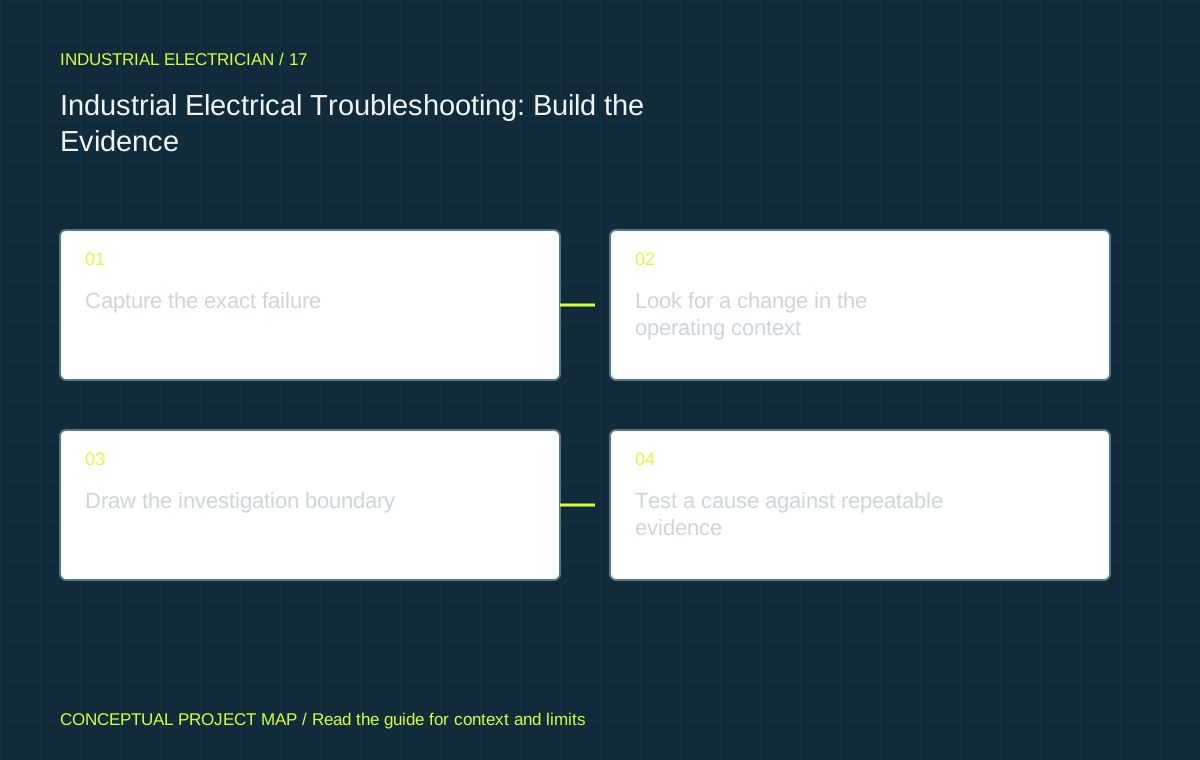
Preserve the symptom before replacing the part
Organise industrial electrical fault evidence: exact symptoms, event logs, system boundaries, recent changes, safe investigation and repair verification.
18 / Risk & approvals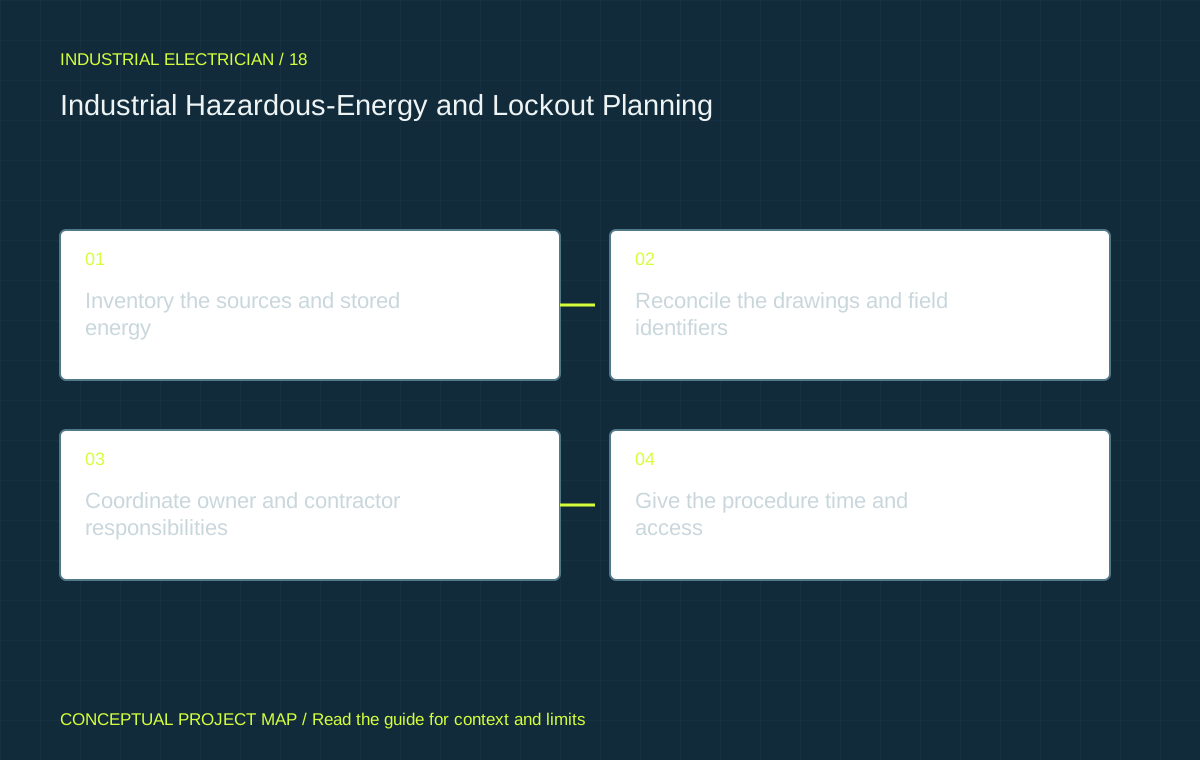
The isolation boundary is bigger than the switch
Prepare industrial hazardous-energy planning inputs: multiple sources, stored energy, system identity, contractor coordination and controlled restoration.
19 / Keep production moving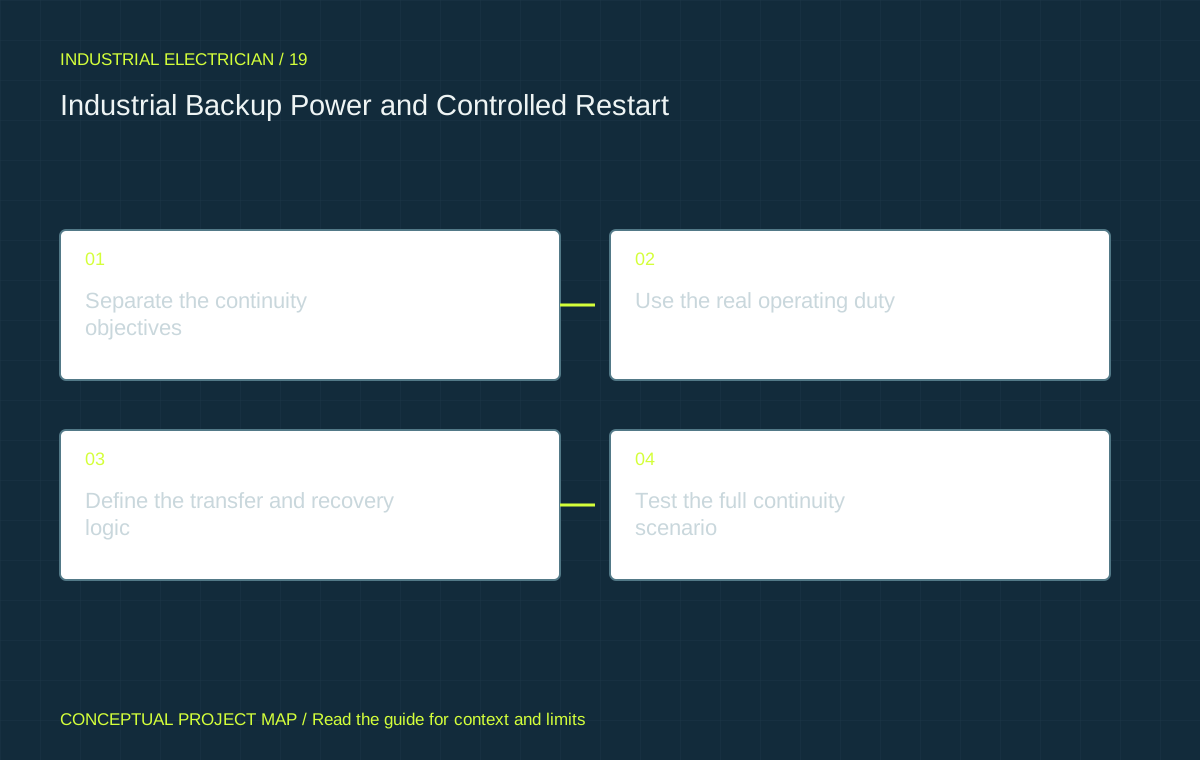
Decide what must survive the interruption
Scope industrial UPS, standby generation and continuity around critical loads, transfer behaviour, starting duty, process shutdown and restart.
20 / Keep production moving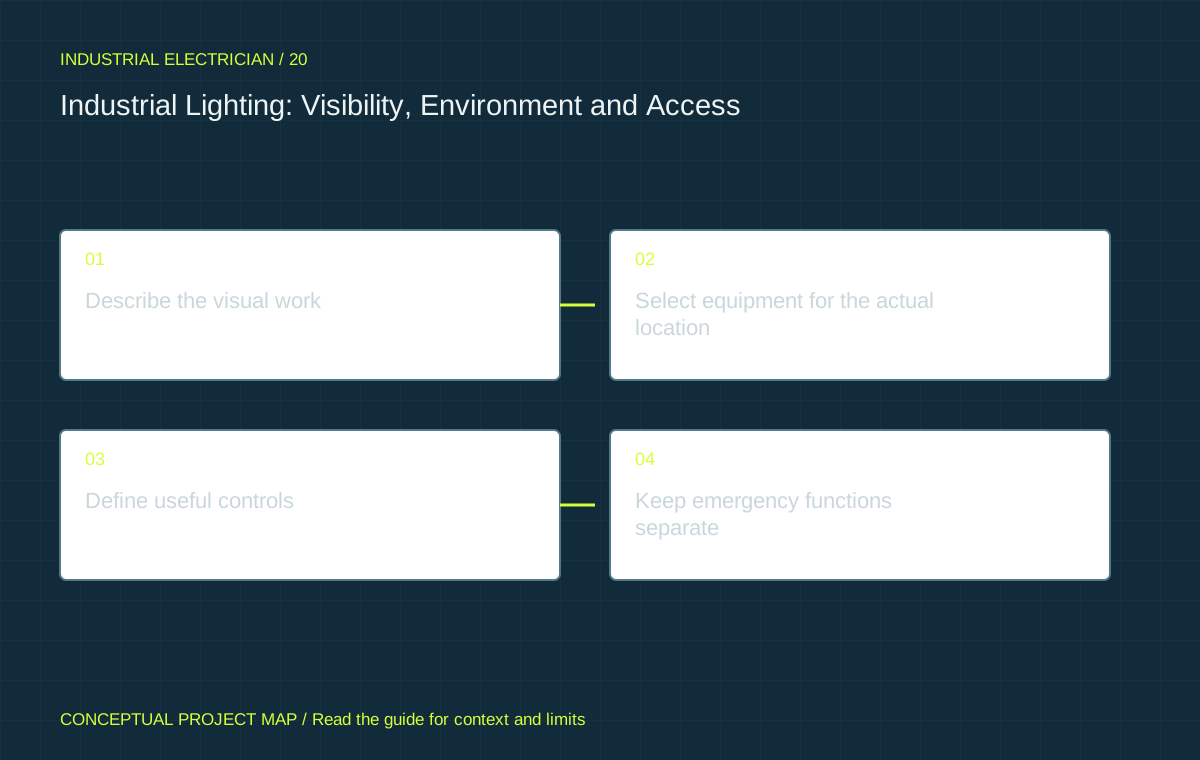
Light the task, then maintain the result
Plan industrial lighting around work tasks, obstructions, glare, environment, emergency systems, controls and maintenance access.
21 / Plan the project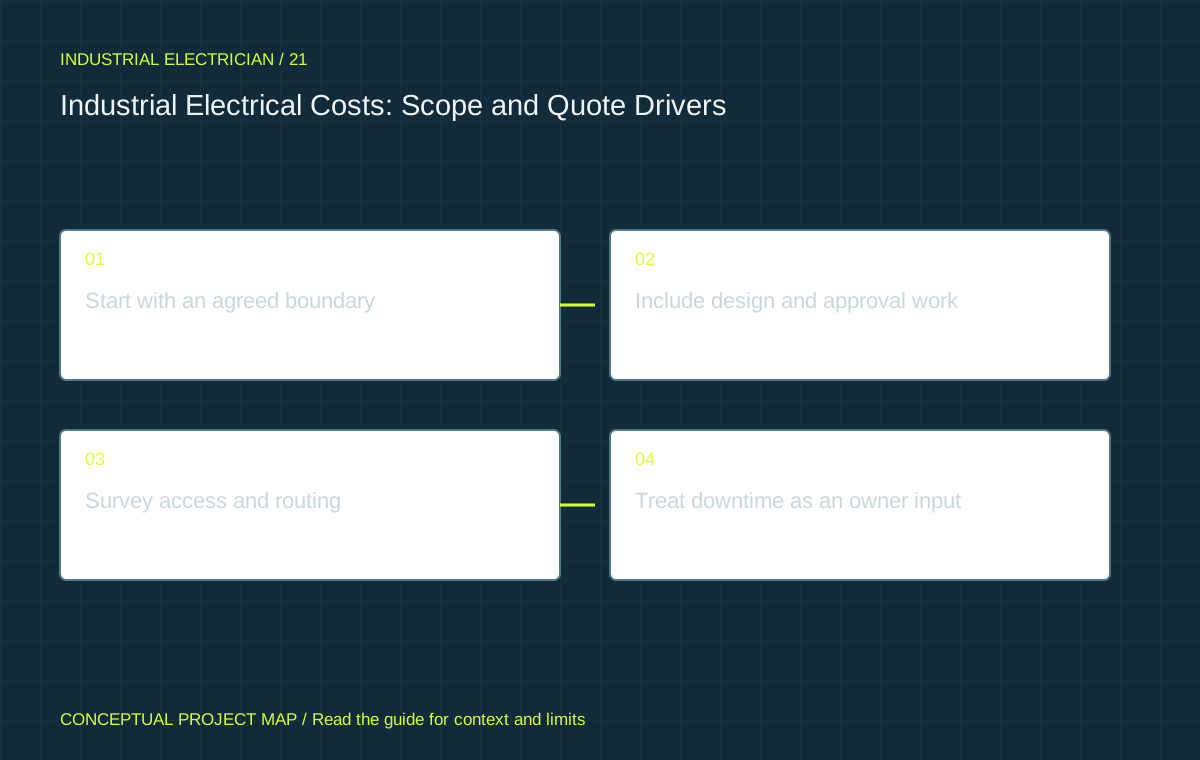
Price the whole production outcome
Understand industrial electrical cost drivers: engineering, approvals, equipment, routing, shutdowns, specialist testing and production handover.
22 / Plant power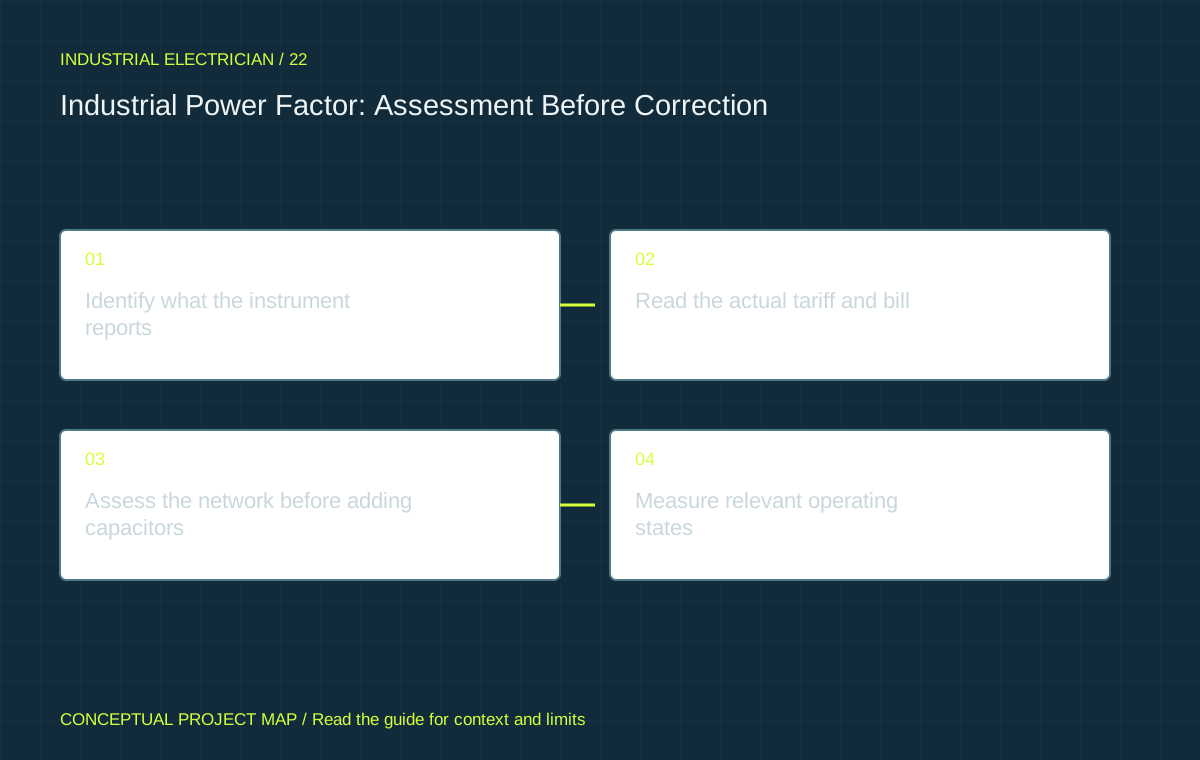
A power-factor number needs context
Understand true and displacement power factor, industrial billing assumptions, capacitor compatibility and measured assessment before correction.
From reading to a clear brief
Make the next conversation useful.
Describe the equipment, property, scope and timing. A person reviews your enquiry; any contractor referral is discussed with you.