The useful starting point
Motor output, electrical input and apparent power are different quantities. Knowing which number is on the page prevents an underspecified project and a misleading energy model.
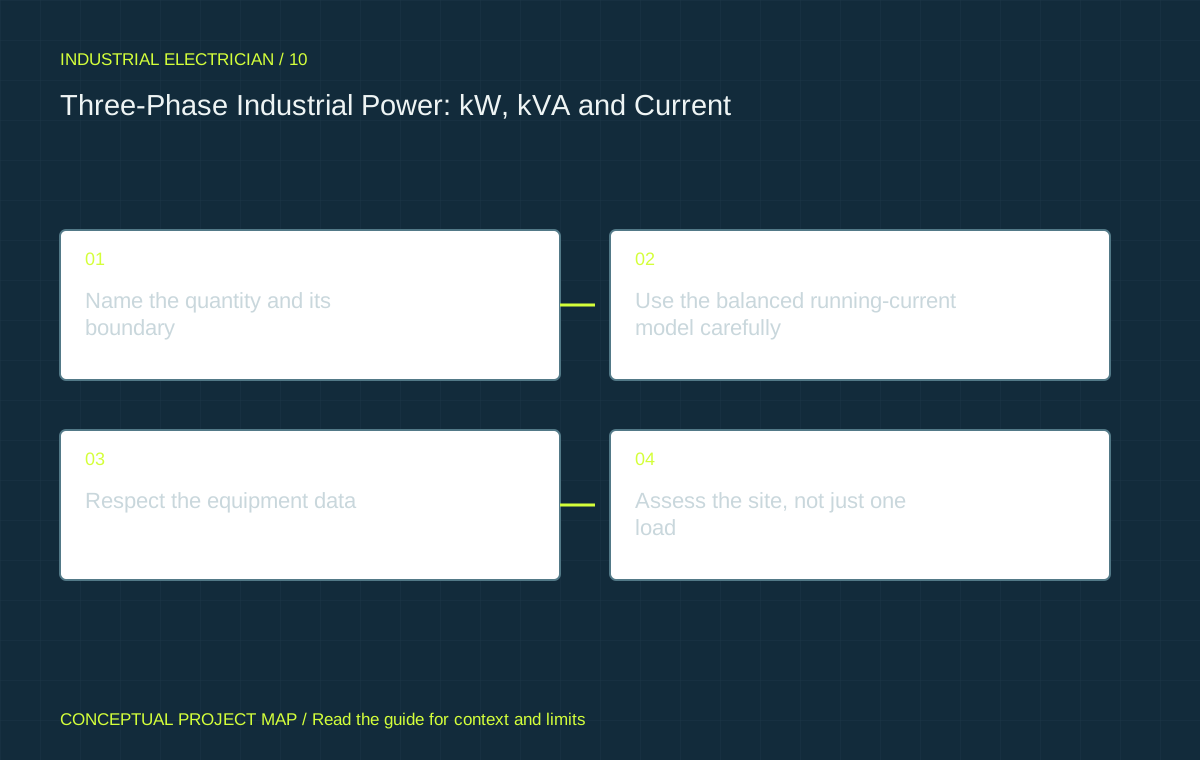
Name the quantity and its boundary
Real electrical power in kW describes the rate of electrical energy use. Apparent power in kVA combines the voltage and current relationship used in a balanced three-phase calculation. Mechanical motor output describes power delivered at the shaft. Losses mean shaft output is lower than electrical input.
When a machine supplier provides a “kW” figure, ask whether it is a motor shaft rating, total electrical input, connected load or expected operating demand. The answer affects both supply planning and energy estimates. A list of motor ratings is not the same thing as measured site demand.
Use the balanced running-current model carefully
For a steady balanced three-phase model, current from electrical input power is I = P / (√3 × V × PF), using watts and line-to-line volts. If the entered quantity is motor shaft output, divide by efficiency as well. The running-current scenario tool makes those input choices explicit.
The equation does not choose a conductor, breaker, fuse, overload or disconnect. It does not capture starting current, imbalance, harmonic waveform details or every equipment rating requirement. Code-based motor and circuit design must use the applicable rules, actual equipment data and competent assessment.
Respect the equipment data
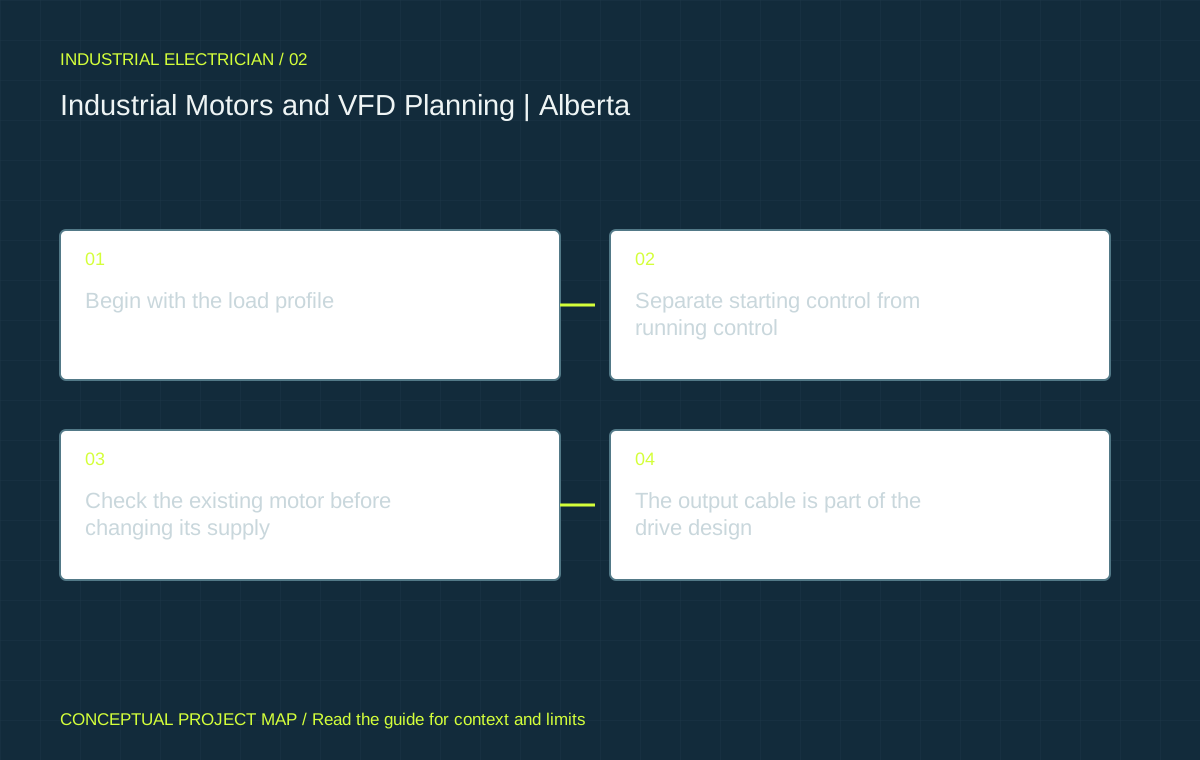
Use the exact motor and machine nameplates and relevant manufacturer documentation for design. A calculated current based on estimated efficiency and power factor can be a useful planning comparison but should not displace those records.
For a multi-load machine, include control supplies, heaters, drives and auxiliary equipment as applicable. The required feeder may serve more than the largest visible motor. Ask the supplier for the complete electrical specification and approval evidence, then reconcile it with the intended supply.
Assess the site, not just one load
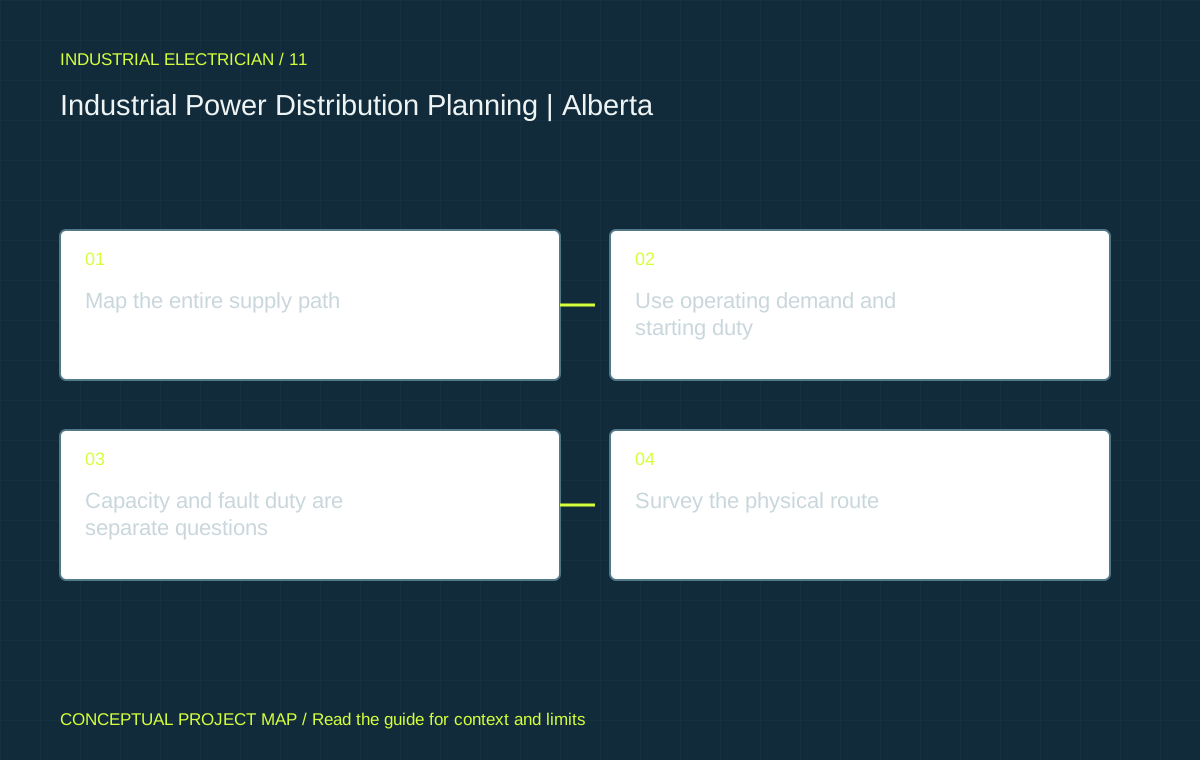
A production expansion needs a review of existing demand, operating overlap, starting duty, distribution capacity, protection and utility requirements. A main device rating is not proof that spare usable capacity exists throughout the path.
Different parts of the plant can be constrained for different reasons. The service may have an acceptable operating margin while a local transformer or feeder does not. The distribution guide explains how to map the actual supply path before buying equipment.
Keep energy and demand separate
kWh records energy over time. kW or kVA demand charges, where applicable, depend on the utility or retailer’s billing arrangement and measurement method. A short peak and a continuously operating load can affect the bill differently.
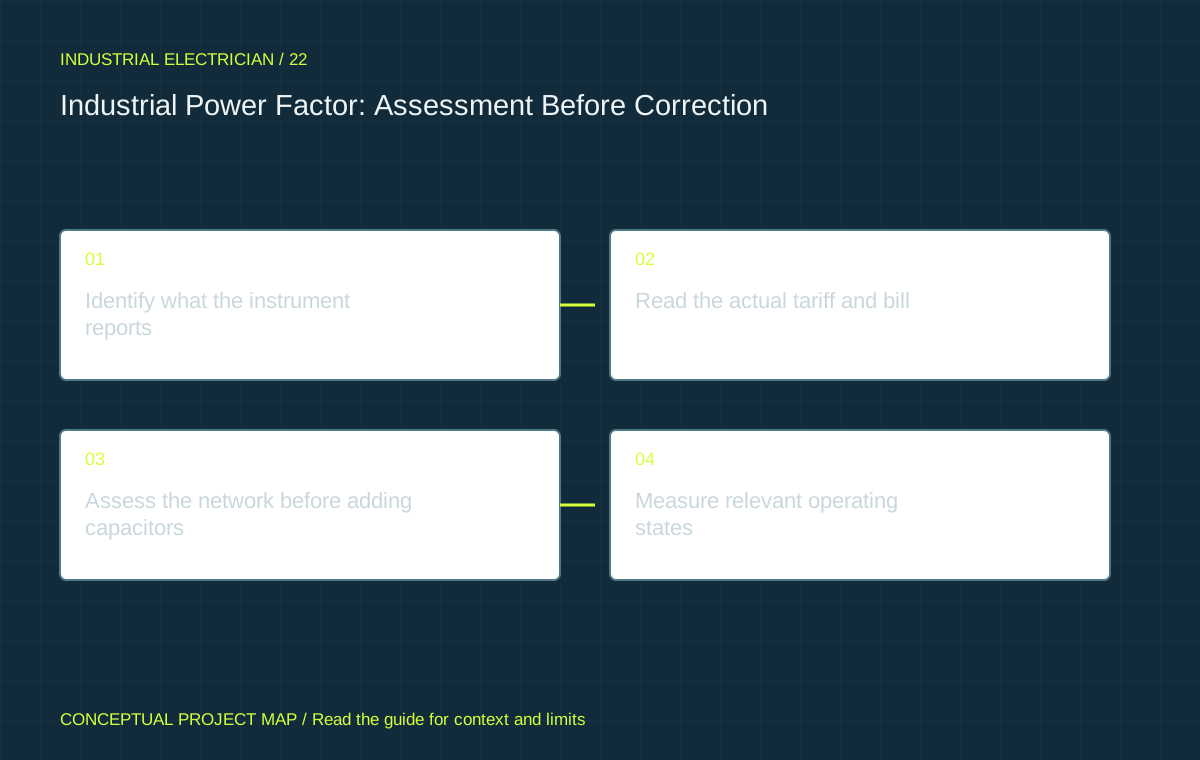
Use the current site tariff and actual bills when evaluating cost. The energy tool here models only the user-entered energy component. It does not determine distribution charges, demand, power-factor provisions or contract terms.
Questions / Direct answers
Common questions
Can motor kW be used directly to estimate electrical input?
Only after identifying what the rating means. If it is shaft output, electrical input is higher because of motor losses. Use the actual equipment documentation and measured duty where available.
Does running current determine breaker size?
No. Motor circuit and protection requirements involve code rules, starting duty, equipment ratings and the complete installation. The running-current tool is a planning model.
Can a three-phase plant have unbalanced loads?
Yes. A balanced formula does not represent every actual phase condition. The designer or investigator must assess the real loading and measurements.
References / Jurisdiction matters
Sources & further reading
Confirm the actual location, permit authority and equipment instructions before relying on a requirement. A source from another jurisdiction is identified for context.
- Electric motors: energy efficiency reference guideNatural Resources Canada · 2026-10-07
- True and displacement power factorSchneider Electric · 2026-10-07
- Electrical codes and standards currently in forceAlberta Municipal Affairs · 2026-10-07
Do not open equipment, handle refrigerants or work on energized systems. Permits, qualified trades and inspection requirements vary by location. This guide does not design an installation or certify existing equipment.