The useful starting point
Repeated replacement without a cause can hide the useful evidence. A structured fault history helps a qualified investigator narrow the problem and verify the repair.
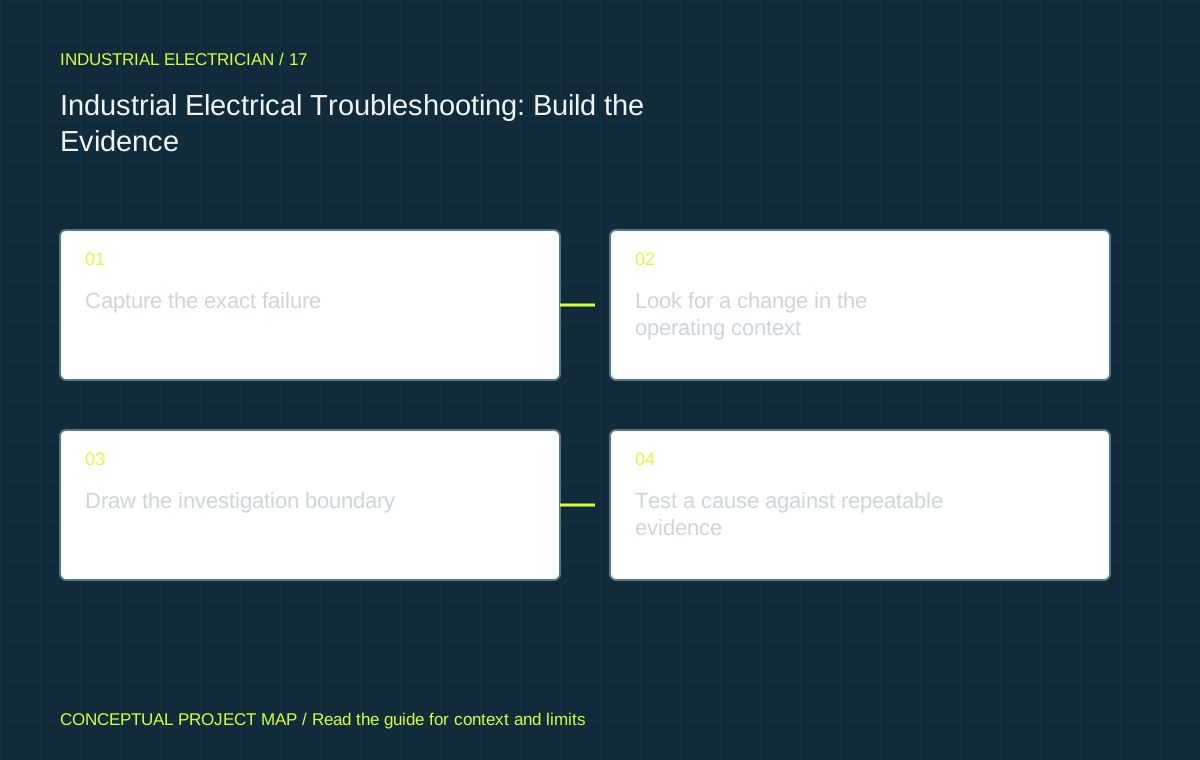
Capture the exact failure
Record equipment identity, alarm or fault code, time, operating mode and production condition. Note what continued operating and what stopped first. Keep the operator’s words, but distinguish observations from an assumed cause.
Preserve relevant logs and changes through approved procedures before resetting or replacing equipment. A fault code is one piece of evidence, not a complete diagnosis. The same code can occur through several different system conditions.
Look for a change in the operating context
Recent electrical, software, process and environmental changes can explain why a previously stable system behaves differently. Ask about new loads, settings, production speed, washdown, cooling and maintenance. Record dates so they can be compared with the first reported events.
Do not overlook intermittent external dependencies. An instrument, network switch, compressed-air supply or remote permissive can stop an electrical machine without a failure in its motor power circuit.
Draw the investigation boundary
Use current drawings and process information to identify the relevant supply, control and mechanical paths. The qualified investigator decides which checks are needed and how to perform them safely.
Industrial electrical investigation can involve hazardous energy. CCOHS identifies both primary and stored energy. The facility’s procedures must govern access, isolation and any testing. This guide is for briefing, not instructions to open, probe or bypass equipment.
Test a cause against repeatable evidence
A good hypothesis explains the fault and predicts when it should occur. Compare it with measured events and operating records. Where an intermittent issue does not recur during a visit, state that limitation instead of certifying the problem solved.
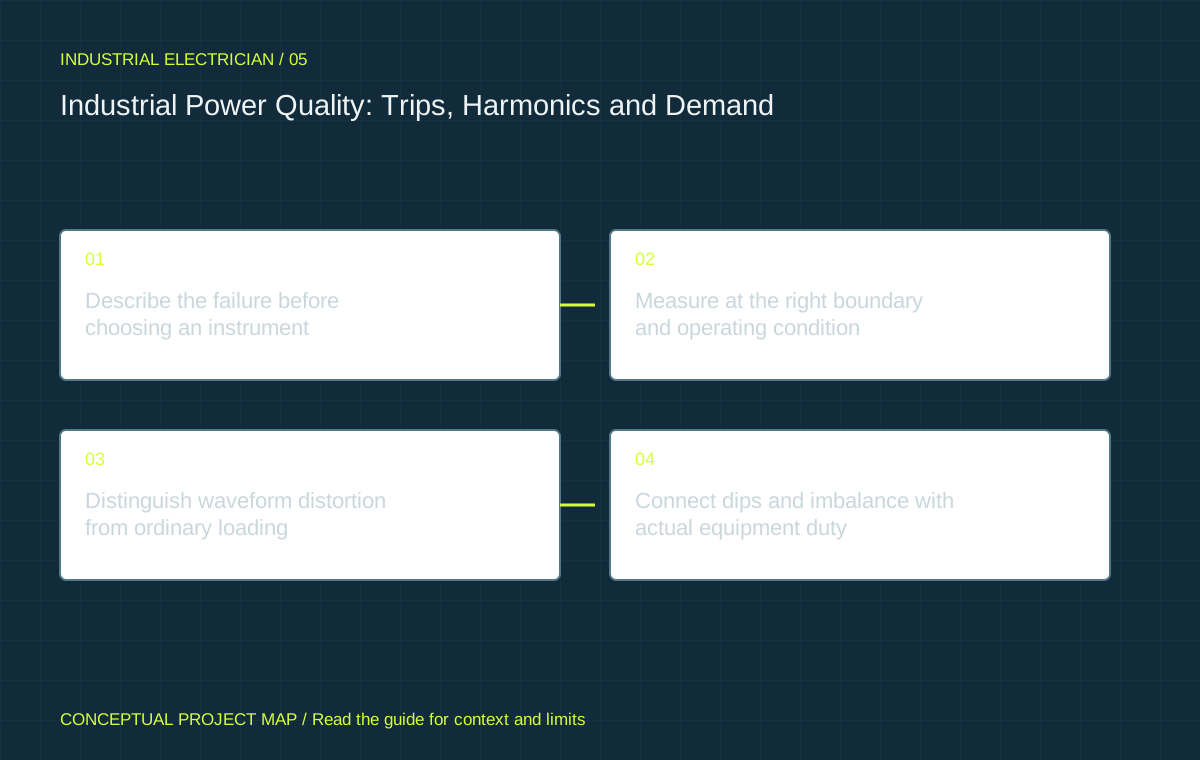
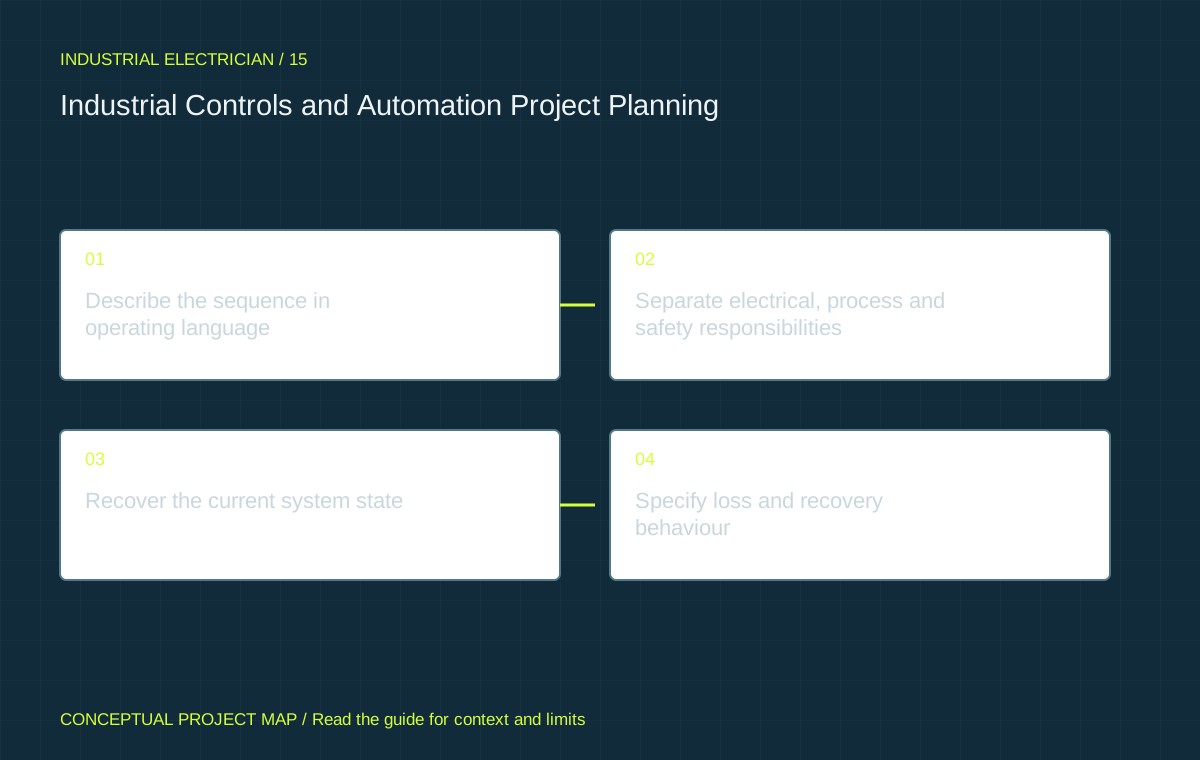
The power quality chapter is relevant when supply events are suspected. The controls chapter covers sequence and recovery behaviour. Keep hardware and logic investigations connected.
Verify the repair under the relevant duty
Define how the proposed correction will be accepted. A replacement that runs once at no load may not resolve the reported production failure. Use representative operating cases within an approved safe plan and compare with the original symptom.
Record the cause established, correction, configuration changes, test results and remaining limitations. Update drawings and maintenance records. If the cause is still uncertain, identify the next monitoring or investigation step rather than describing a parts swap as complete root-cause resolution.
Questions / Direct answers
Common questions
Should a drive be replaced whenever it trips?
No automatic rule follows from a trip. Preserve the exact fault and operating context, then have qualified personnel investigate the equipment and system.
What can I safely provide before a technician visit?
Existing records, fault text, times, operator observations, recent changes and safe exterior photographs. Do not open electrical enclosures or perform live measurements for an enquiry.
Does a successful restart prove the problem is fixed?
It proves the equipment restarted under that condition. Closure needs evidence matched with the original failure and representative duty, with limitations stated.
References / Jurisdiction matters
Sources & further reading
Confirm the actual location, permit authority and equipment instructions before relying on a requirement. A source from another jurisdiction is identified for context.
- Hazardous energy control programsCanadian Centre for Occupational Health and Safety · 2026-10-07
- Electrical safety: basic informationCanadian Centre for Occupational Health and Safety · 2026-10-07
- OHS Act, regulation and codeGovernment of Alberta · 2026-10-07
Do not open equipment, handle refrigerants or work on energized systems. Permits, qualified trades and inspection requirements vary by location. This guide does not design an installation or certify existing equipment.