The useful starting point
There is no responsible universal price for “industrial wiring.” The same visible installation can have very different approval, outage and commissioning obligations.
Start with an agreed boundary
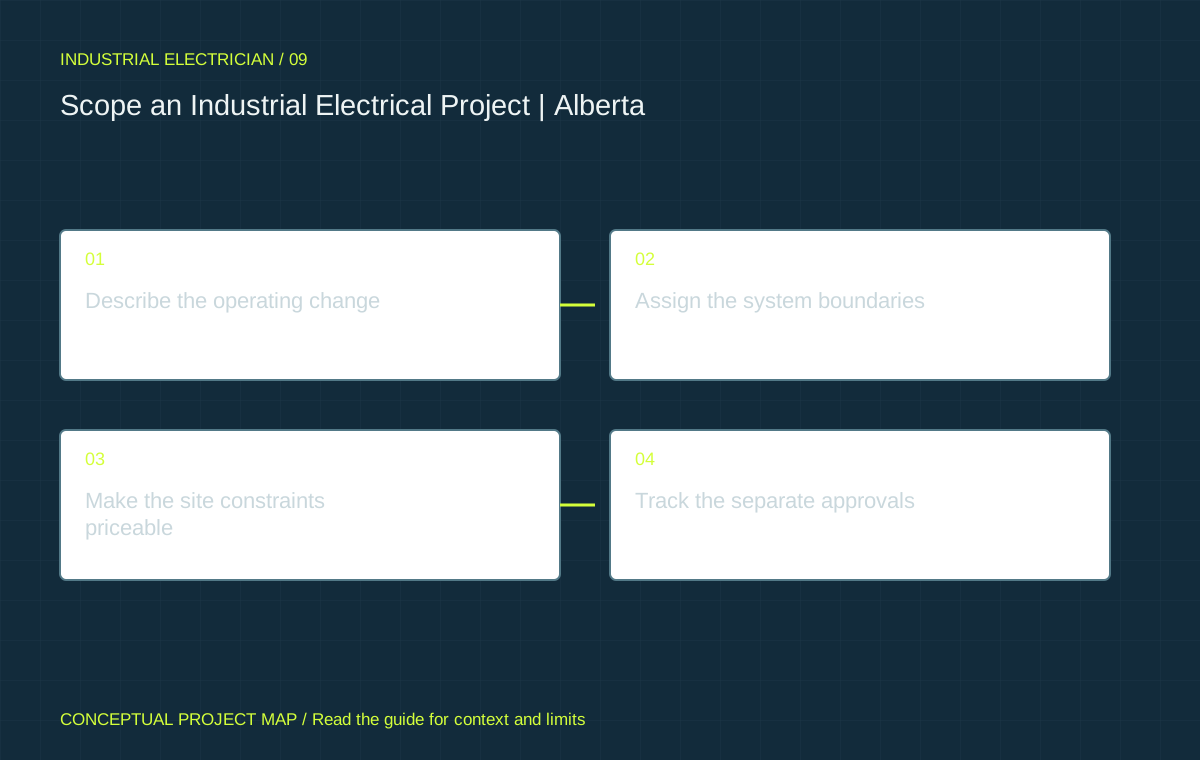
Define the equipment, required operating change and interfaces. Identify which drawings and surveys exist and what design remains. Prices from different boundaries cannot be compared fairly. An equipment-only quotation and a complete accepted-project quotation cover different outcomes.
Ask for assumptions and exclusions in ordinary language. “Existing suitable supply” should identify who confirms suitability and what happens if it is not available. Unknowns need a survey, defined allowance or change mechanism.
Include design and approval work
Engineering can cover load and distribution assessment, protection, controls, classification, equipment suitability and project drawings as relevant. Permit, utility and equipment-approval work can also govern the schedule.
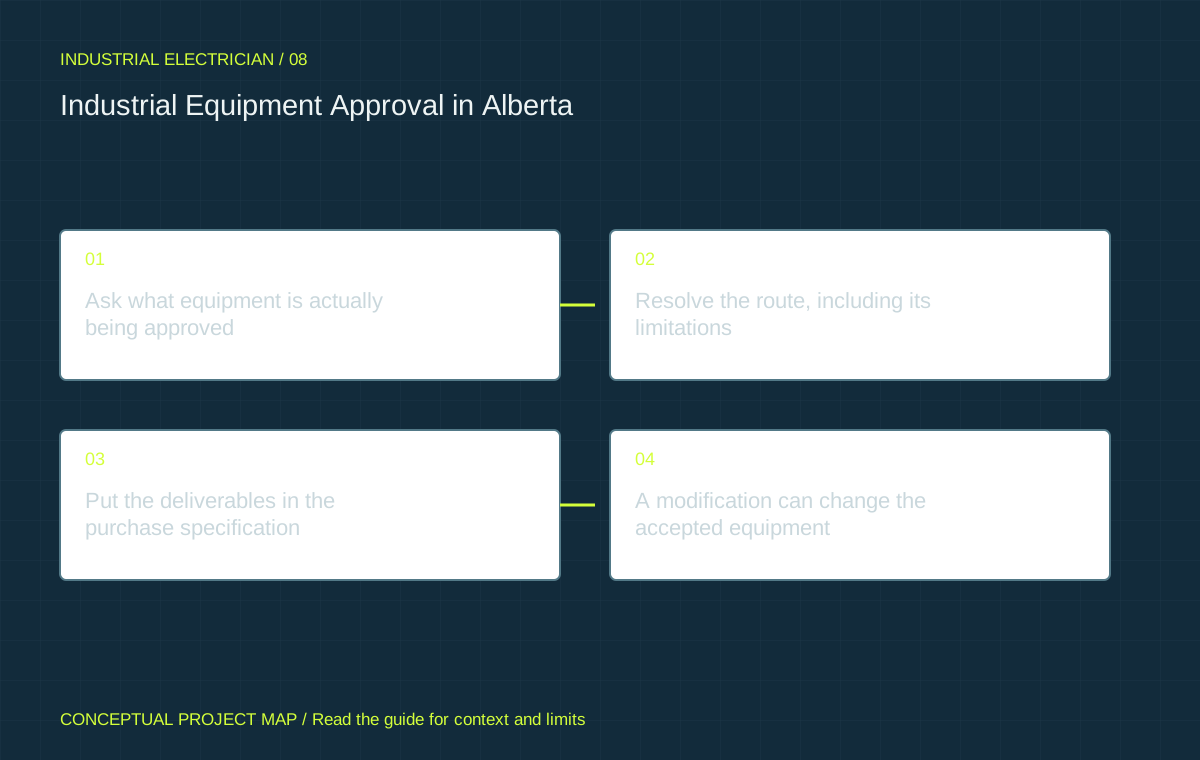
Do not assume the supplier’s machine drawing designs the building installation. The approval chapter explains another procurement boundary that can cause corrective work after delivery.
Survey access and routing
Cable route, tray and support, penetrations, civil work, lifting access and the plant environment affect installation. A short route in a clean empty building differs from work above operating machinery or in a classified area.
State the operating hours and permitted work conditions. Extended-hours work, specialist attendance and phased installation may be needed, but their cost should come from actual quotations rather than a made-up online multiplier.
Treat downtime as an owner input
The owner should identify production interruption limits and consequences. Contractor labour cost and lost production cost are distinct. A faster technically accepted method can be worth more to the facility, while an unrealistic deadline can increase rework or leave acceptance incomplete.
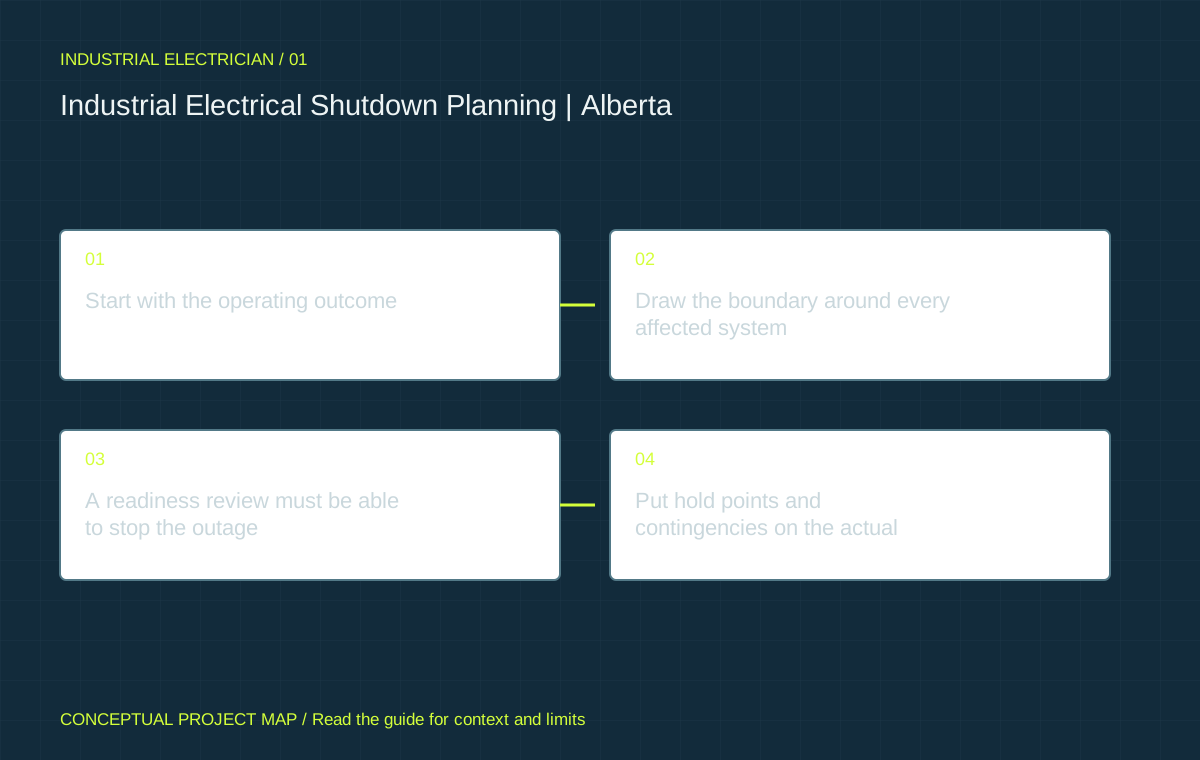
The shutdown plan includes readiness, contingencies, temporary arrangements and restart. Price these deliberately. Do not hide a critical commissioning dependency in an unspecified contingency line.
Budget for proof and operating records
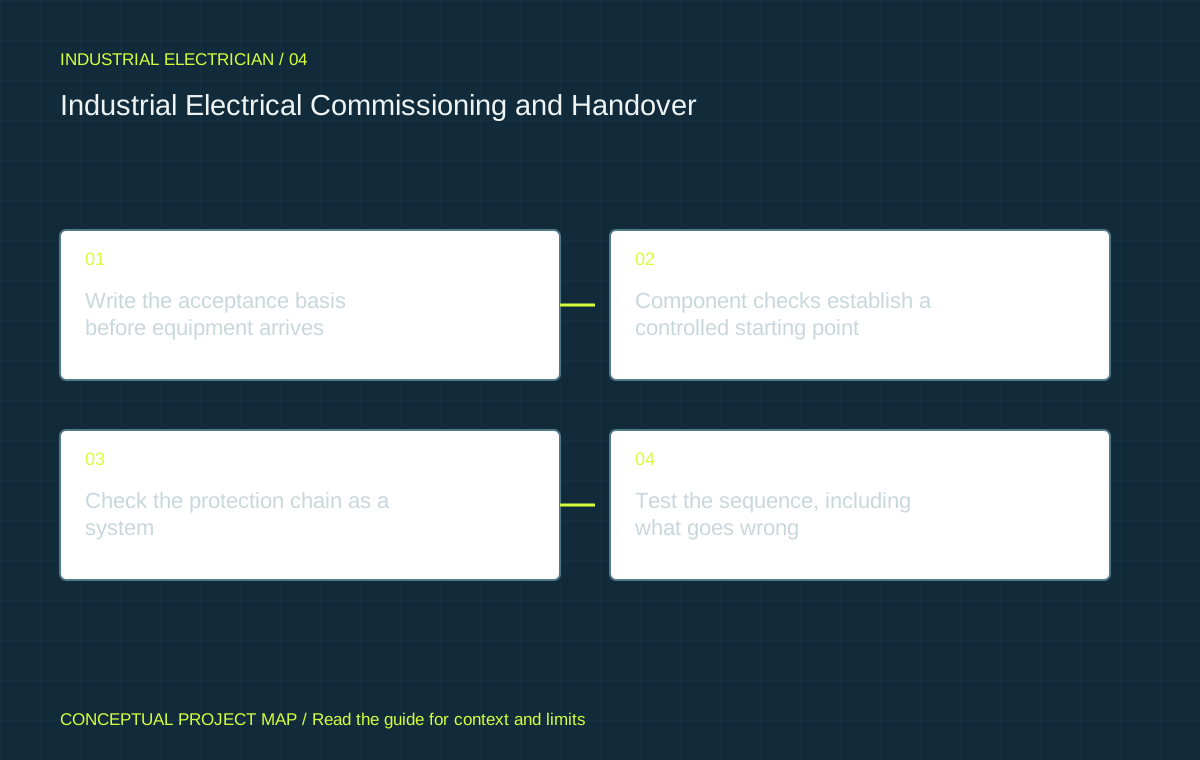
Testing, vendor support, integrated controls checks, process acceptance, drawings, settings and training can be material parts of the project. Specify them before bidding. A lower total that excludes these items may only defer the cost.
For energy projects, compare the complete cost against a measured or adequately supported operating case. The energy scenario excludes demand and other billing terms and does not promise savings.
Make the comparison reviewable
Build a comparison with the same headings: outcome, scope, assumptions, exclusions, approvals, programme, tests, handover and commercial terms. Ask bidders to explain differences and price clarifications. Do not rank only the grand totals.
This portal does not publish invented installation ranges or hourly rates. Prepare a site-specific scope and request a conversation about the actual work.
Questions / Direct answers
Common questions
Why is there no per-square-foot industrial electrical price here?
The process loads, environment, distribution, controls, approvals, access and downtime can vary widely. A generic area-based price would conceal the scope that determines the actual project.
Is production loss included in a contractor quote?
Not necessarily. The owner should identify the business consequence, while the quotation states outage work and support. Keep those quantities distinct.
How can I reduce uncertainty before tender?
Recover drawings and equipment data, survey the site, resolve major interfaces, define acceptance and state outage constraints. Clarify the same scope with each bidder.
References / Jurisdiction matters
Sources & further reading
Confirm the actual location, permit authority and equipment instructions before relying on a requirement. A source from another jurisdiction is identified for context.
- Electrical codes and standards currently in forceAlberta Municipal Affairs · 2026-10-07
- Electrical permits for contractors and annual facilities permitsCity of Calgary · 2026-10-07
- Meter installation and energization processENMAX Power · 2026-10-07
- Service connections in EdmontonEPCOR · 2026-10-07
Do not open equipment, handle refrigerants or work on energized systems. Permits, qualified trades and inspection requirements vary by location. This guide does not design an installation or certify existing equipment.