The useful starting point
An owner’s preparation starts with identifying the system and its dependencies. The actual energy-control procedure belongs to qualified, authorized people using the facility’s programme.
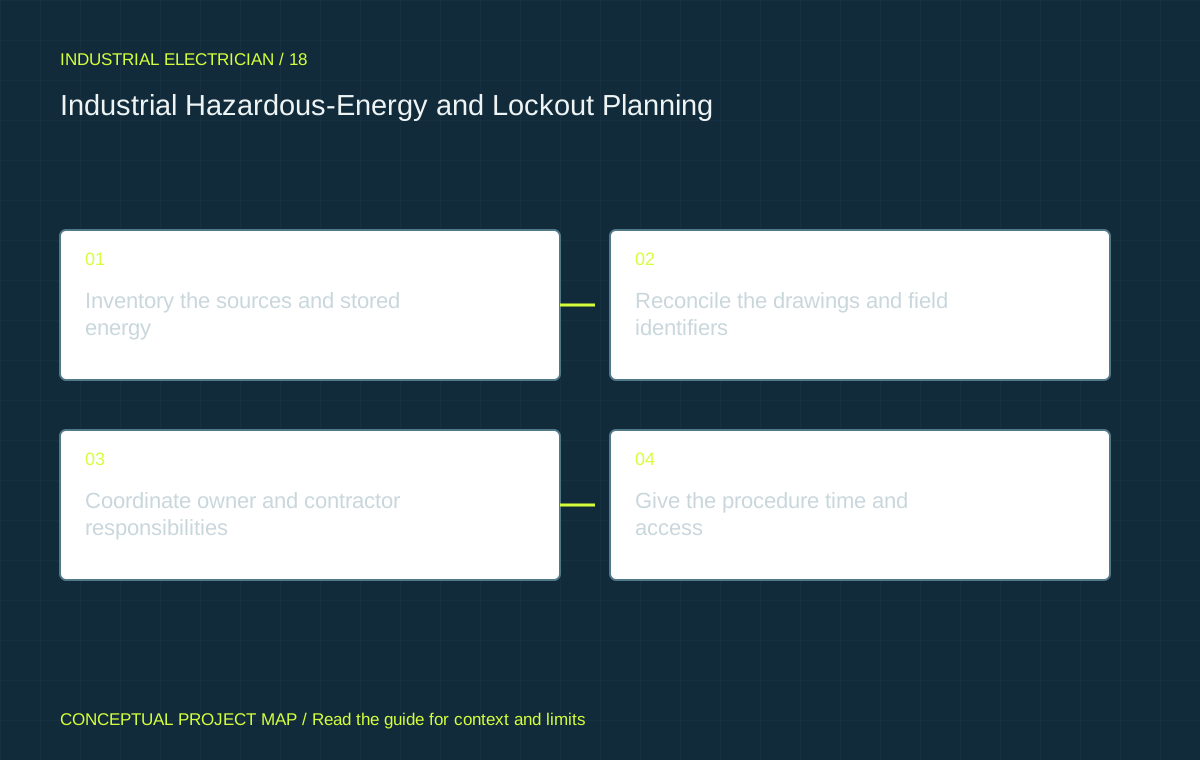
Inventory the sources and stored energy
Electrical supply is only one possible source. Pressure, motion, gravity, heat and stored electrical energy can remain relevant after normal power is interrupted. A machine connected to a shared process can also receive energy or material from outside the visible unit.
CCOHS explains hazardous-energy control as a programme covering primary and residual sources. Use the plant’s approved process to identify the actual sources. This page intentionally does not give switching or verification instructions.
Reconcile the drawings and field identifiers
A procedure depends on the right equipment identity and boundaries. If drawings, tags and operators’ names differ, resolve them before planned work. Include shared feeds, control supplies, standby sources and process connections in the competent review.
Do not infer isolation from an HMI status or a normal stop command. Operating control and hazardous-energy isolation answer different questions. The applicable procedure must establish the required state through authorized methods.
Coordinate owner and contractor responsibilities
Identify who owns the facility programme, authorizes access, performs the work and manages affected personnel. Multiple firms and shifts need a clear interface rather than separate undocumented assumptions.
Discuss communication, handovers, group arrangements and restoration through the responsible safety programme. CCOHS provides a lockout overview; the facility must apply its own task-specific requirements and competent procedures.
Give the procedure time and access
Include preparation, controlled access, verification and restoration in the outage plan. Production pressure should not reduce these tasks to an unexplained allowance. Name the decision maker when an unexpected source or identification gap is found.
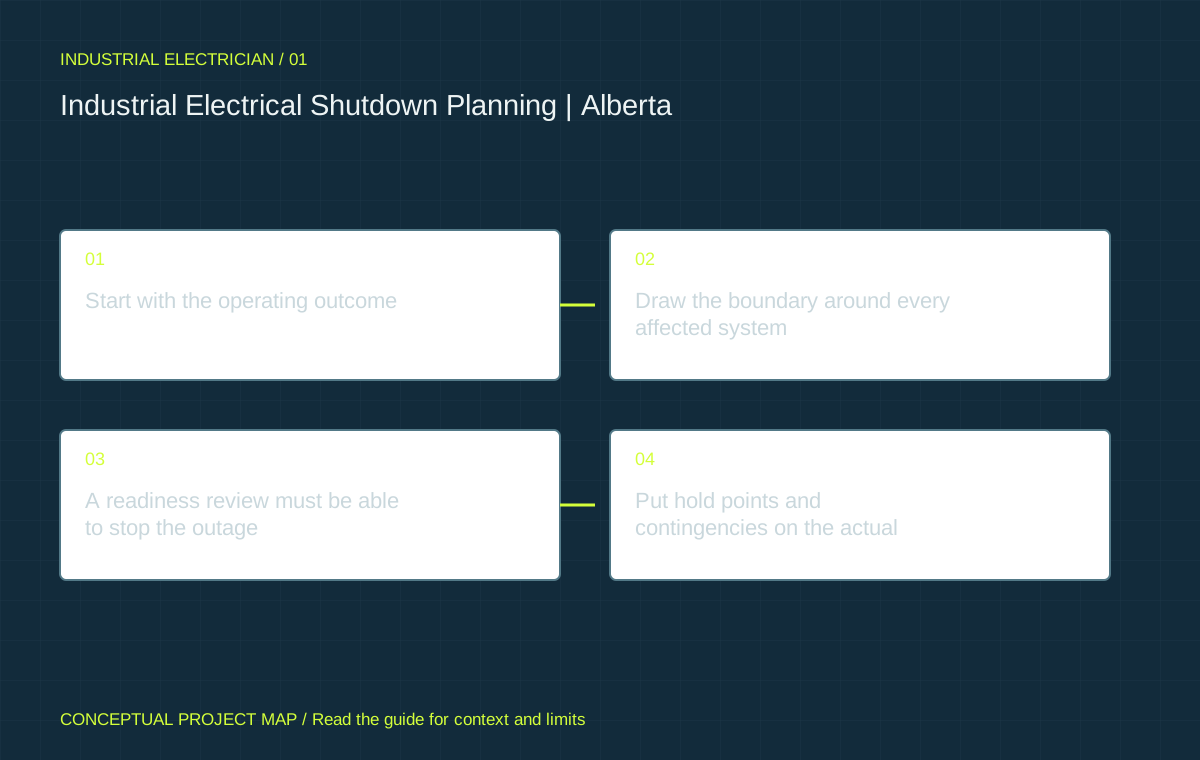
A shutdown readiness review should be able to stop the outage if the required procedure or system information is incomplete. Temporary supply changes can create new boundaries that also require review.
Restore operation through an approved release
Define how completed work, people, equipment state and outstanding restrictions are reviewed before restoration. The actual release process must follow the facility’s programme and applicable responsibilities.
Close records and update system information after a modification. A newly added source or changed isolation point should not remain only in a contractor’s redline folder. The next job must start from the accepted current system.
Questions / Direct answers
Common questions
Does turning a machine off establish a safe work condition?
Not by itself. Normal stopping and hazardous-energy control are distinct. The actual sources, stored energy and required verification must be addressed through the approved procedure.
Is this guide a lockout procedure?
No. It organises the inputs and responsibilities an owner should provide. Qualified, authorized personnel must develop and execute the procedure for the actual system.
Why do contractors need the facility’s energy-control information?
The work may interact with shared sources, process dependencies, other people and restoration responsibilities. Those interfaces must be coordinated under the applicable programme.
References / Jurisdiction matters
Sources & further reading
Confirm the actual location, permit authority and equipment instructions before relying on a requirement. A source from another jurisdiction is identified for context.
- Hazardous energy control programsCanadian Centre for Occupational Health and Safety · 2026-10-07
- Lockout / tag outCanadian Centre for Occupational Health and Safety · 2026-10-07
- OHS Act, regulation and codeGovernment of Alberta · 2026-10-07
Do not open equipment, handle refrigerants or work on energized systems. Permits, qualified trades and inspection requirements vary by location. This guide does not design an installation or certify existing equipment.